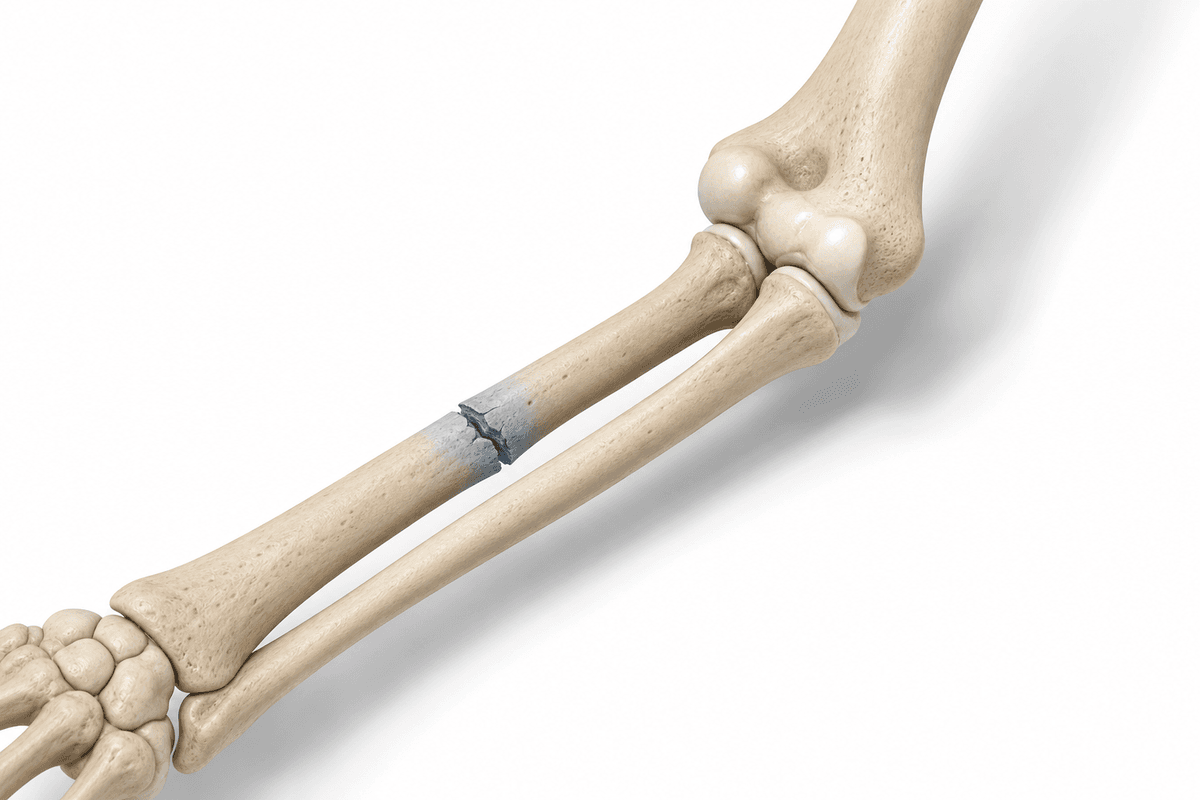
Treated by Dr. Venkat Ram Thyalapalli at Dr Venkatram Thyalapalli
Fractures in children are common injuries in Hyderabad, occurring when bones break or crack due to trauma, falls, or sports activities. Pediatric fractures differ from adult fractures as growing bones have unique healing capabilities and require specialized assessment. Dr Venkatram Thyalapalli provides expert pediatric orthopedic care for all types of childhood fractures, ensuring optimal healing and recovery.
Incomplete fracture where the bone bends and cracks on one side only, unique to children due to their softer, more flexible bones that haven't fully hardened yet
Fractures involving the physis or growth plate at the ends of long bones, which can potentially affect future bone growth if not properly treated and monitored
Full break through the bone where it separates into two or more pieces, requiring careful alignment and stabilization to ensure proper healing and restore normal function
Multiple factors can contribute to the development and progression of this condition.
Fractures develops gradually. Recognising symptoms early gives you more treatment options.
From conservative to surgical — we always start with the least invasive option first.
A structured, patient-first approach from first visit to full recovery.
Dr Venkatram Thyalapalli conducts thorough clinical examination to assess the injury severity, neurovascular status, and associated soft tissue damage. Immediate pain relief measures are initiated, and appropriate imaging studies including X-rays are ordered to visualize the fracture pattern and determine the optimal treatment approach.
Based on fracture type and displacement, Dr Thyalapalli performs closed or open reduction to align bone fragments anatomically. He selects the most appropriate stabilization method considering the child's age, bone quality, growth potential, and fracture characteristics to ensure optimal healing outcomes.
Dr Venkatram Thyalapalli schedules regular follow-up appointments with serial X-rays to monitor fracture healing progression and ensure maintained alignment. Special attention is given to growth plate injuries to detect any early signs of growth disturbance or limb length discrepancy that may require intervention.
Dr Thyalapalli develops individualized rehabilitation protocols to restore strength, flexibility, and function after fracture healing. He provides guidance on safe return to sports and activities, ensuring complete recovery while minimizing the risk of re-injury or complications.
What to expect at each phase of recovery.
Initial bone healing occurs with callus formation bridging the fracture site. Pain gradually decreases, and the child maintains immobilization as prescribed. Regular monitoring ensures proper alignment is maintained during this critical healing period.
Bone continues to strengthen as the callus matures and remodels. Immobilization is removed once adequate healing is confirmed, and gentle range of motion exercises begin. Children typically show rapid recovery during this phase due to their excellent healing capacity.
Bone remodeling continues with restoration of normal bone architecture and strength. Progressive strengthening exercises and gradual return to full activities occur under supervision. Children's bones have remarkable remodeling potential, often correcting minor residual deformities over time.
Most pediatric fractures heal completely within 4-8 weeks with proper treatment, restoring full bone integrity and strength. Children's superior healing capacity results in excellent outcomes with minimal long-term complications when appropriately managed.
Children typically regain complete range of motion, strength, and function after fracture healing. With proper rehabilitation and gradual return to activities, most patients resume all sports and physical activities without limitations or residual disability.
With expert management of growth plate injuries by Dr Venkatram Thyalapalli, most children continue normal bone growth and development. Early detection and treatment of growth disturbances when they occur allows for timely intervention to prevent limb length discrepancies.
Modern minimally invasive techniques result in small scars that fade significantly over time. Conservative and percutaneous approaches minimize surgical trauma, and children's excellent skin healing leads to cosmetically favorable outcomes in most cases.
Untreated or inadequately treated fractures can lead to malunion with permanent deformity, limb length discrepancy, and functional impairment. Growth plate injuries without proper management may cause premature growth arrest, angular deformities, or significant limb length differences requiring complex corrective surgeries. Delayed treatment increases the risk of complications including nerve damage, vascular injury, compartment syndrome, and chronic pain that affects the child's quality of life and participation in activities.
Seek immediate medical attention from Dr Venkatram Thyalapalli if your child experiences severe pain, visible deformity, inability to move or bear weight on a limb after injury, or signs of open fracture with bone protruding through skin. Emergency consultation is crucial if there is numbness, tingling, color changes, or coldness in the affected limb suggesting neurovascular compromise. Even seemingly minor injuries with persistent pain or swelling lasting beyond 24-48 hours warrant evaluation to rule out occult fractures or growth plate injuries that require specialized pediatric orthopedic care.
Early treatment means more options and better outcomes. Book a consultation to understand your condition and explore the right path forward.
Consult Venkat Ram Thyalapalli for Fractures at any of these 2 centres — pick the one nearest you.