Treated by Dr. Venkat Ram Thyalapalli at Dr Venkatram Thyalapalli
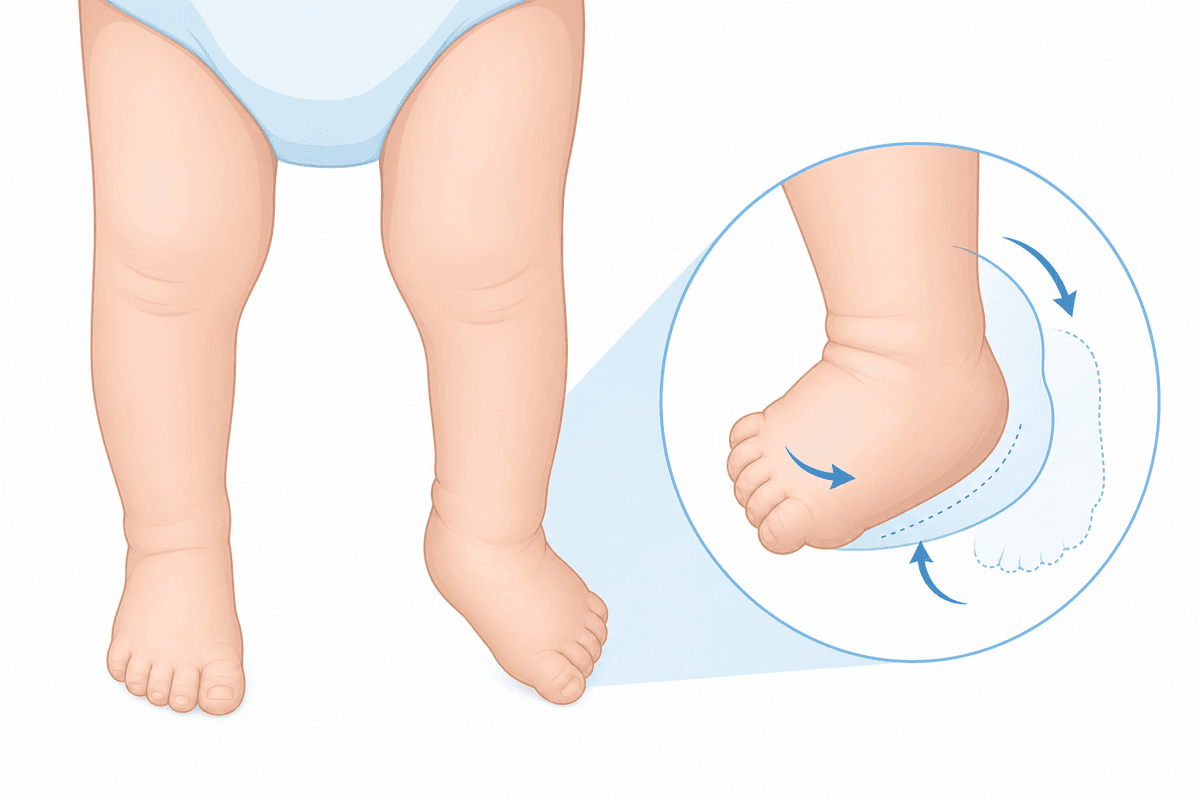
Clubfoot is a congenital foot deformity affecting newborns in Hyderabad and worldwide, where the foot is twisted inward and downward. This condition requires early intervention for best results, typically within the first weeks of life. Treatment ranges from non-surgical casting methods to surgical correction depending on severity and response to initial therapy. Dr Venkatram Thyalapalli specializes in comprehensive clubfoot management using evidence-based protocols to ensure children achieve normal foot function and appearance.
The most common type occurring without any associated conditions or syndromes. This isolated deformity responds well to conservative treatment when initiated early. Affects otherwise healthy infants with no underlying neuromuscular disorders.
Clubfoot associated with other congenital conditions such as arthrogryposis, myelomeningocele, or genetic syndromes. This type is typically more rigid and may require more aggressive treatment. Often presents with additional musculoskeletal abnormalities requiring comprehensive management.
A milder form caused by intrauterine positioning rather than structural deformity. The foot is flexible and can be manually corrected to neutral position. Usually resolves with gentle stretching exercises and occasionally requires minimal casting.
Multiple factors can contribute to the development and progression of this condition.
Clubfoot develops gradually. Recognising symptoms early gives you more treatment options.
From conservative to surgical — we always start with the least invasive option first.
A structured, patient-first approach from first visit to full recovery.
Dr Venkatram Thyalapalli conducts thorough clinical examination at birth or first visit, assessing the severity, flexibility, and classification of the clubfoot. Detailed parental counseling is provided regarding treatment options, expected outcomes, and the importance of early intervention for optimal results.
Based on the assessment, Dr Thyalapalli develops a customized treatment protocol, typically initiating Ponseti casting within the first weeks of life. Parents receive detailed instructions on cast care, warning signs, and the long-term bracing commitment required for successful treatment.
Weekly casting sessions are performed with precise manipulation techniques following Ponseti principles. Dr Thyalapalli personally performs the Achilles tenotomy when indicated and ensures proper fit and application of the foot abduction brace to prevent recurrence.
Regular follow-up appointments are scheduled to monitor correction maintenance, assess for recurrence, and adjust bracing protocols. Dr Thyalapalli provides ongoing support and guidance throughout the child's growth, addressing any concerns and intervening promptly if correction is lost.
What to expect at each phase of recovery.
The initial 6-8 weeks involve weekly cast changes with progressive correction. Parents must maintain cast integrity and watch for circulation problems. Most infants tolerate casting well with minimal discomfort during this critical correction period.
Following cast removal, the foot abduction brace is worn full-time for 3 months, then nights and naps until age 4-5 years. This phase is crucial for preventing recurrence, and parental adherence determines long-term success. Regular adjustments ensure proper fit as the child grows.
As bracing transitions to night-time only, children begin walking and developing normal motor skills. Regular monitoring continues through early childhood to detect any signs of recurrence early. Most children achieve normal foot function and participate in regular activities without limitations.
Over 95% of idiopathic clubfoot cases treated with Ponseti method achieve plantigrade, functional feet that allow normal walking, running, and sports participation without pain or limitation.
The treated foot achieves near-normal appearance with proper alignment and shape. Mild residual differences in foot size and calf muscle bulk may persist but are typically not functionally significant or cosmetically concerning.
Early treatment prevents the severe disability, pain, and social stigma associated with untreated clubfoot. Children achieve independent ambulation and age-appropriate developmental milestones without orthotic dependence.
Studies show high long-term patient and parent satisfaction with properly treated clubfoot. Adults who underwent successful treatment report normal quality of life, employment, and participation in physical activities with minimal restrictions.
Untreated clubfoot results in severe lifelong disability as the child will walk on the outside edge or top of the foot, causing painful calluses, infections, and abnormal gait. Progressive deformity leads to arthritis, chronic pain, and significant functional limitations affecting mobility, employment, and quality of life. The social and psychological impact of visible deformity and disability can be profound, making early treatment essential for optimal outcomes.
Parents should seek consultation with a pediatric orthopedic specialist immediately upon diagnosis at birth or if clubfoot is suspected. Early intervention within the first 1-2 weeks of life provides the best outcomes, though treatment can be initiated at any age. Any signs of recurrence during treatment, such as foot turning inward, decreased ankle flexibility, or difficulty maintaining brace compliance, warrant prompt evaluation to adjust the management plan.
Early treatment means more options and better outcomes. Book a consultation to understand your condition and explore the right path forward.
Consult Venkat Ram Thyalapalli for Clubfoot at any of these 2 centres — pick the one nearest you.