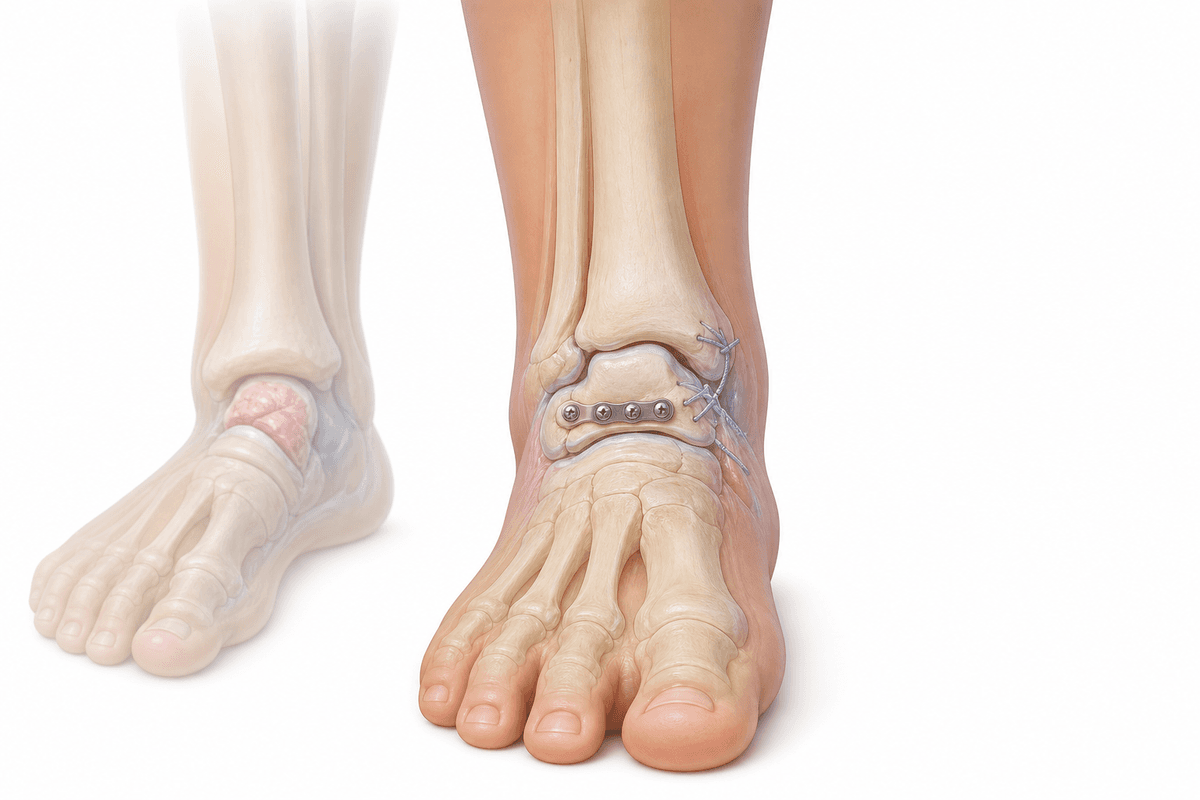
Performed by Dr. Venkat Ram Thyalapalli at Dr Venkatram Thyalapalli
Congenital Vertical Talus Correction in Hyderabad is a specialized pediatric orthopedic procedure that addresses a rare foot deformity where the talus bone is positioned vertically, causing a rigid flatfoot with a rocker-bottom appearance. This condition, present at birth, requires expert surgical intervention to restore normal foot anatomy and function. Dr Venkatram Thyalapalli provides comprehensive treatment using advanced techniques tailored to each child's needs.
We believe in honest, upfront disclosure so you can make an informed decision.
A step-by-step look at what happens during this procedure.
Detailed clinical examination and imaging studies including X-rays and MRI confirm the diagnosis of congenital vertical talus and assess the severity of the deformity.
Gentle manipulation and serial casting over several weeks attempt to gradually correct the foot position and stretch soft tissues before surgical intervention.
Under general anesthesia, the surgeon performs open reduction of the talonavicular joint, releases tight tendons and ligaments, and repositions bones into proper alignment.
Kirschner wires or pins are inserted to maintain the corrected position of the bones while soft tissues heal and remodel over time.
A long leg cast is applied to protect the surgical correction and maintain proper foot position during the critical healing period.
A structured, patient-first approach from first consultation to full recovery.
Dr Venkatram Thyalapalli conducts thorough evaluation using advanced imaging to customize the surgical approach based on each child's unique anatomy and deformity pattern.
Utilizing refined surgical methods that minimize soft tissue disruption while achieving comprehensive correction, Dr Thyalapalli focuses on preserving blood supply and reducing scarring.
Close follow-up with regular clinical assessments and imaging ensures proper healing, early detection of complications, and timely adjustments to the rehabilitation protocol.
Dr Venkatram Thyalapalli provides detailed education to parents about cast care, pin site maintenance, and long-term follow-up requirements to optimize outcomes and prevent recurrence.
What to expect at each stage of your recovery journey.
The child remains hospitalized for 3-5 days with the foot in a long leg cast. Pain management, elevation, and monitoring for swelling or circulation issues are priorities during this phase.
Over 10-12 weeks, the child wears a cast while pins maintain bone alignment. Parents perform pin site care as instructed, and regular follow-ups ensure proper healing without infection.
After cast removal, a gradual transition to orthotic bracing begins. Physical therapy exercises strengthen muscles and improve range of motion. Bracing may continue for months to years to prevent recurrence and support normal development.
Successful surgery restores normal alignment of the talus and surrounding bones, eliminating the rocker-bottom appearance and establishing a plantigrade foot position.
Children achieve age-appropriate walking patterns and mobility as the corrected foot develops normally, allowing participation in regular childhood activities without significant limitation.
Proper alignment distributes forces evenly across the foot, preventing abnormal pressure points and chronic pain that would occur with untreated deformity.
With appropriate surgical technique and compliance with bracing protocols, most children maintain correction throughout growth and into adulthood with minimal risk of recurrence.
Let's clear up some of the most common myths about congenital vertical talus correction.
Get a personalised assessment from an experienced specialist. Understand your options, ask your questions, and decide with confidence.
Consult Venkat Ram Thyalapalli for Congenital Vertical Talus Correction at any of these 2 centres — pick the one nearest you.