Treated by Dr. Venkat Ram Thyalapalli at Dr Venkatram Thyalapalli
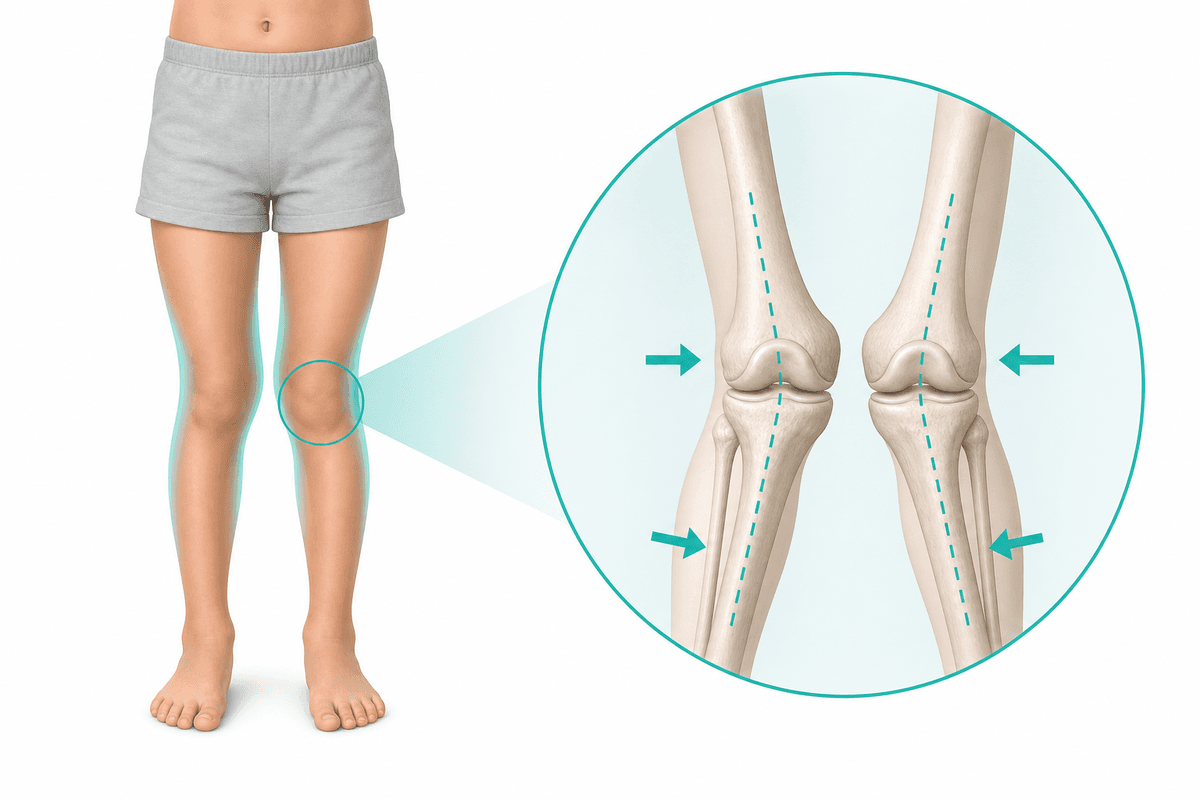
Knock knees, or genu valgum, is a common condition in Hyderabad where the knees angle inward and touch when standing with legs straight, while the ankles remain apart. This alignment issue is often normal in children aged 2-5 years but may require evaluation if it persists beyond age 7 or causes functional problems. Dr Venkatram Thyalapalli specializes in pediatric orthopedic assessment and treatment of knock knees with comprehensive care.
Normal developmental variant seen in children between 2-5 years of age that typically resolves spontaneously without intervention as the child grows and bone alignment naturally corrects.
Abnormal genu valgum caused by underlying conditions such as rickets, skeletal dysplasia, infection, trauma, or metabolic disorders requiring medical evaluation and treatment.
Genu valgum developing or persisting after age 7, often associated with obesity, ligamentous laxity, or growth plate abnormalities that may require orthopedic intervention.
Multiple factors can contribute to the development and progression of this condition.
Knock Knees develops gradually. Recognising symptoms early gives you more treatment options.
From conservative to surgical — we always start with the least invasive option first.
A structured, patient-first approach from first visit to full recovery.
Dr Venkatram Thyalapalli conducts thorough physical examination measuring intermalleolar distance, assessing gait patterns, evaluating range of motion, and reviewing growth and developmental history to determine if the knock knees are physiologic or pathologic in nature.
Dr Thyalapalli orders standing long-leg radiographs to measure mechanical axis deviation, anatomic angles, and assess growth plate status, along with additional tests if metabolic or systemic conditions are suspected as underlying causes.
Based on the child's age, severity of deformity, growth potential, and functional impact, Dr Venkatram Thyalapalli develops an individualized treatment plan ranging from observation to guided growth surgery, ensuring the most appropriate intervention for optimal outcomes.
Dr Thyalapalli provides regular follow-up appointments to monitor correction progress, adjust treatment as needed, ensure proper healing after surgery, and guide families through the entire treatment journey with clear communication and support.
What to expect at each phase of recovery.
Following guided growth surgery, patients typically bear weight as tolerated with minimal activity restrictions for 2-3 weeks. Pain is generally mild and managed with simple analgesics. Wound care and monitoring for complications are emphasized during initial follow-up visits.
Over 6-18 months, regular clinical and radiographic assessments track gradual correction of knee alignment. Children continue normal activities while the growth modulation works. Once desired alignment is achieved, implant removal surgery is planned.
After implant removal or osteotomy healing, physical therapy focuses on restoring full strength, range of motion, and functional abilities. Gradual return to sports and activities is guided by clinical progress, typically achieved within 3-6 months of final procedure.
Most children achieve normal or near-normal knee alignment with appropriate treatment, whether through natural growth, guided growth surgery, or corrective osteotomy, resulting in improved cosmetic appearance and leg mechanics.
Correction of knock knees eliminates gait abnormalities, reduces compensatory stress on ankles and hips, and allows children to participate fully in physical activities, sports, and daily functions without limitations or discomfort.
Patients with symptomatic knock knees experience significant reduction or complete resolution of knee, ankle, and lower limb pain following successful correction, enhancing overall quality of life and physical comfort.
Early intervention prevents progressive joint degeneration, abnormal wear patterns, and development of premature osteoarthritis in the knees, ankles, and hips that can result from long-standing malalignment.
Untreated pathologic knock knees can lead to progressive joint pain, abnormal gait patterns, and uneven cartilage wear in the knee joint. Over time, chronic malalignment increases the risk of early-onset osteoarthritis in the knees, hips, and ankles, potentially causing significant disability and reduced quality of life in adulthood.
Parents should consult Dr Venkatram Thyalapalli if knock knees persist beyond age 7, worsen progressively, affect only one leg, cause pain or functional limitations, or are associated with short stature or other developmental concerns. Early evaluation by a pediatric orthopedic specialist ensures timely diagnosis of underlying conditions and appropriate intervention when needed.
Early treatment means more options and better outcomes. Book a consultation to understand your condition and explore the right path forward.
Consult Venkat Ram Thyalapalli for Knock Knees at any of these 2 centres — pick the one nearest you.