Treated by Dr. Venkat Ram Thyalapalli at Dr Venkatram Thyalapalli
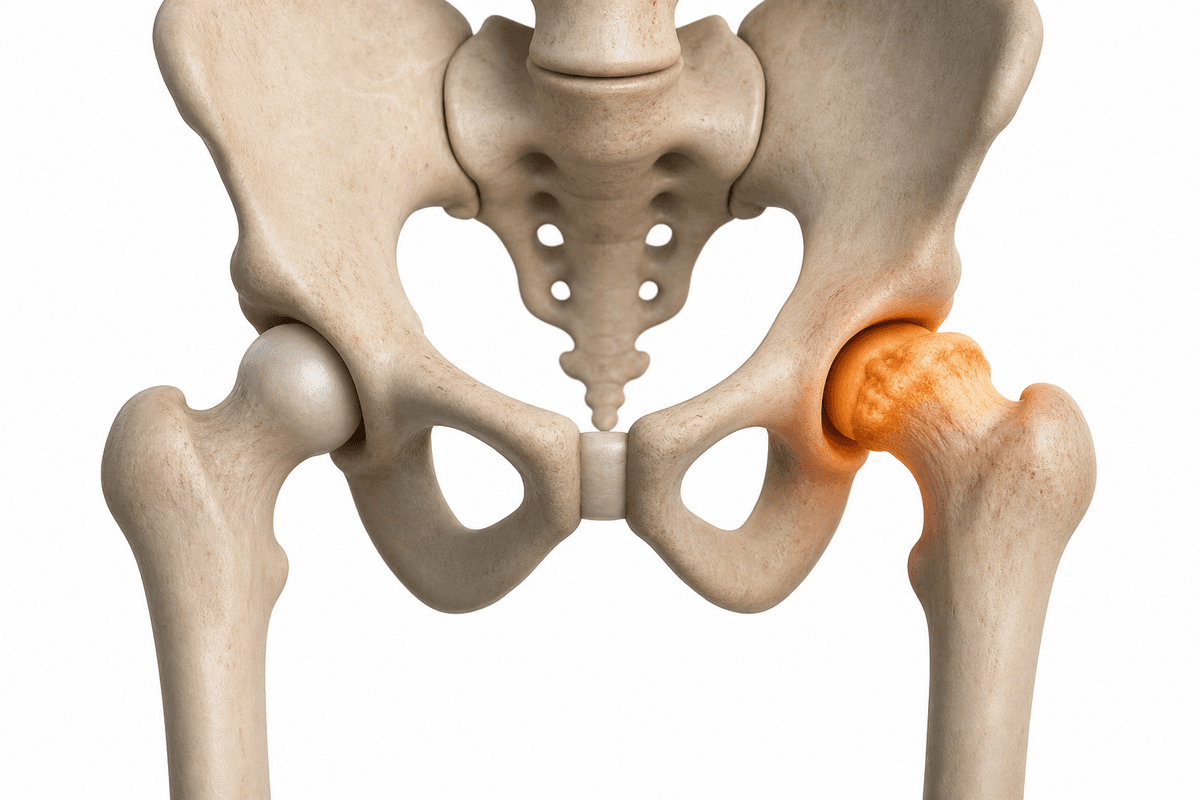
Perthes Disease, also known as Legg-Calvé-Perthes Disease, affects children in Hyderabad when blood supply to the femoral head is temporarily interrupted, causing bone tissue death and eventual healing. This condition typically affects children between ages 4-8 and requires specialized pediatric orthopedic management to ensure proper hip joint development and function. Dr Venkatram Thyalapalli provides comprehensive evaluation and individualized treatment plans for children with Perthes Disease, utilizing both conservative and surgical approaches tailored to each child's specific stage and severity.
Involves less than 50% of the femoral head with limited fragmentation and better prognosis. These cases often respond well to conservative management with activity modification and observation.
Affects more than 50% of the femoral head with significant collapse and sequestration. These cases typically require more aggressive intervention including bracing or surgical containment procedures.
Classification system based on the height of the lateral pillar of the femoral head during fragmentation stage. Helps predict outcomes and guide treatment decisions, with Type C having the poorest prognosis without intervention.
Multiple factors can contribute to the development and progression of this condition.
Perthes Disease develops gradually. Recognising symptoms early gives you more treatment options.
From conservative to surgical — we always start with the least invasive option first.
A structured, patient-first approach from first visit to full recovery.
Dr Venkatram Thyalapalli performs detailed clinical examination including gait analysis, range of motion assessment, and leg length measurement. Advanced imaging with X-rays in multiple views and MRI when needed helps determine disease stage, extent of femoral head involvement, and prognosis using classification systems.
Based on the child's age, disease stage, and femoral head involvement, Dr Thyalapalli develops a personalized treatment strategy. Factors like skeletal maturity, containment status, and family compliance guide the decision between observation, bracing, or surgical intervention to optimize long-term hip function.
When surgery is indicated, Dr Venkatram Thyalapalli employs advanced pediatric orthopedic techniques with meticulous attention to achieving optimal femoral head containment. Procedures are performed using child-appropriate implants and fixation methods, with intraoperative imaging to ensure proper alignment and positioning.
Dr Thyalapalli provides continuous monitoring throughout the 2-4 year disease course with regular imaging to track healing phases. Structured physiotherapy programs maintain hip mobility and strength, while activity guidance ensures proper healing. Follow-up extends into adolescence to monitor for any late complications or residual deformity.
What to expect at each phase of recovery.
Following surgical intervention, children use crutches or wheelchairs for protected weight bearing. Cast or brace immobilization maintains hip position while bone healing occurs. Pain management and prevention of stiffness through gentle exercises are priorities during this period.
Gradual return to weight bearing as femoral head begins healing and reforming. Regular X-rays monitor bone regeneration and sphericity. Physical therapy focuses on restoring range of motion, strengthening hip muscles, and normalizing gait pattern while avoiding high-impact activities.
Femoral head completes remodeling with progressive return to normal activities. Sports participation gradually increases based on radiographic healing and clinical function. Long-term monitoring continues to ensure maintained hip sphericity and assess for any residual deformity requiring intervention.
With appropriate containment treatment initiated early, most children achieve good femoral head sphericity and congruent hip joint. This optimal outcome prevents premature arthritis and allows normal activity participation throughout life.
Children return to age-appropriate activities without hip pain or significant limp. Full or near-full range of motion is restored, enabling participation in sports and daily activities without limitations by late childhood or adolescence.
Successful containment during the critical healing phases prevents hip incongruity and irregular femoral head shape. This significantly reduces the risk of developing degenerative arthritis in young adulthood, with many patients maintaining healthy hips into their 50s-60s.
Proper treatment minimizes leg length discrepancy and eliminates persistent limping. Most children achieve symmetric gait patterns and equal leg lengths, avoiding the need for shoe lifts or experiencing biomechanical problems in the spine or knees.
Untreated Perthes Disease, especially in older children or those with significant femoral head involvement, leads to permanent hip deformity with flattening and irregular shape of the femoral head. This results in hip incongruity, chronic pain, limited range of motion, and persistent limp that worsens over time. By young adulthood, severe degenerative arthritis typically develops, necessitating hip replacement surgery in the third or fourth decade of life—much earlier than normal age-related arthritis.
Parents should seek immediate evaluation from a pediatric orthopedic specialist like Dr Venkatram Thyalapalli if their child develops persistent limping, especially when combined with hip, thigh, or knee pain that lasts more than a week. Early consultation is crucial if the child has difficulty with activities like running, climbing stairs, or if there's visible asymmetry in leg length or muscle bulk. Prompt diagnosis and treatment during the early stages of Perthes Disease significantly improves outcomes and reduces the risk of permanent hip deformity.
Early treatment means more options and better outcomes. Book a consultation to understand your condition and explore the right path forward.
Consult Venkat Ram Thyalapalli for Perthes Disease at any of these 2 centres — pick the one nearest you.