Performed by Dr. Venkat Ram Thyalapalli at Dr Venkatram Thyalapalli
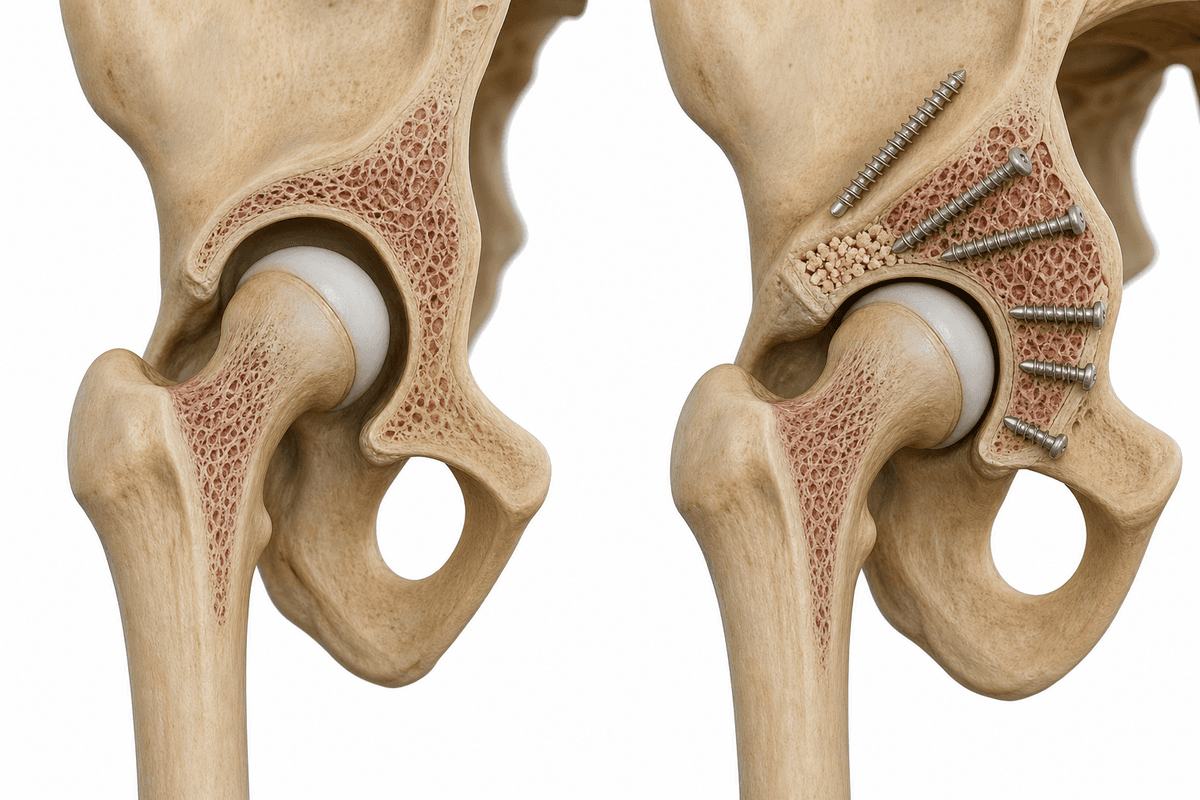
Developmental Hip Displacement Reduction in Hyderabad is a specialized orthopedic procedure to correct hip dysplasia in infants and children, restoring proper hip joint alignment and function. This surgical intervention addresses congenital or developmental hip abnormalities through careful reduction and reconstruction techniques. Dr Venkatram Thyalapalli provides expert pediatric orthopedic care with comprehensive treatment protocols.
We believe in honest, upfront disclosure so you can make an informed decision.
A step-by-step look at what happens during this procedure.
General anesthesia is administered to ensure the child is completely comfortable and pain-free throughout the surgical procedure.
The surgeon makes a carefully planned incision to access the hip joint, exposing the dislocated or displaced femoral head and acetabulum.
The femoral head is gently manipulated and repositioned into the acetabulum, ensuring proper anatomical alignment and joint congruency.
Acetabular or femoral osteotomies may be performed to reshape bone structures, followed by internal fixation with pins, screws, or plates to maintain alignment.
The surgical site is closed in layers, and a spica cast is applied to immobilize the hip in the correct position during initial healing.
A structured, patient-first approach from first consultation to full recovery.
Dr Venkatram Thyalapalli conducts thorough clinical examination and advanced imaging studies to develop a personalized surgical plan tailored to each child's unique hip anatomy and developmental stage.
Utilizing advanced surgical methods and specialized pediatric orthopedic instrumentation, Dr Thyalapalli performs meticulous hip reduction and reconstruction with minimal tissue trauma and optimal positioning.
Continuous monitoring during hospital stay ensures proper pain management, cast integrity, and early detection of any complications, with regular imaging to confirm maintained hip reduction.
Dr Thyalapalli designs individualized rehabilitation programs including cast changes, physical therapy, and progressive weight-bearing protocols to ensure optimal hip development and functional outcomes.
What to expect at each stage of your recovery journey.
The first 3-5 days involve hospital monitoring with pain management, cast care instructions, and initial mobility guidance for parents. Close observation ensures proper circulation and cast positioning.
During the 8-12 week casting period, regular follow-ups monitor hip position through imaging. Parents receive guidance on cast care, positioning, and activity restrictions to protect the healing hip joint.
After cast removal, structured physical therapy begins to restore hip mobility, strengthen supporting muscles, and gradually progress weight-bearing activities. Complete functional recovery typically occurs within 6-12 months with continued monitoring for optimal hip development.
Successful reduction achieves stable, anatomically correct hip joint positioning with the femoral head properly seated in the acetabulum, preventing future dislocation.
Children regain normal hip range of motion, enabling age-appropriate activities including walking, running, and full participation in physical activities without limitations.
Early correction prevents abnormal joint wear and significantly reduces the risk of developing premature hip arthritis and chronic pain in adulthood.
Proper surgical correction allows the hip joint to develop normally during growth years, ensuring long-term joint health and optimal biomechanical function.
Let's clear up some of the most common myths about developmental hip displacement reduction / reconstruction.
Get a personalised assessment from an experienced specialist. Understand your options, ask your questions, and decide with confidence.
Consult Venkat Ram Thyalapalli for Developmental Hip Displacement Reduction / Reconstruction at any of these 2 centres — pick the one nearest you.