Treated by Dr. Venkat Ram Thyalapalli at Dr Venkatram Thyalapalli
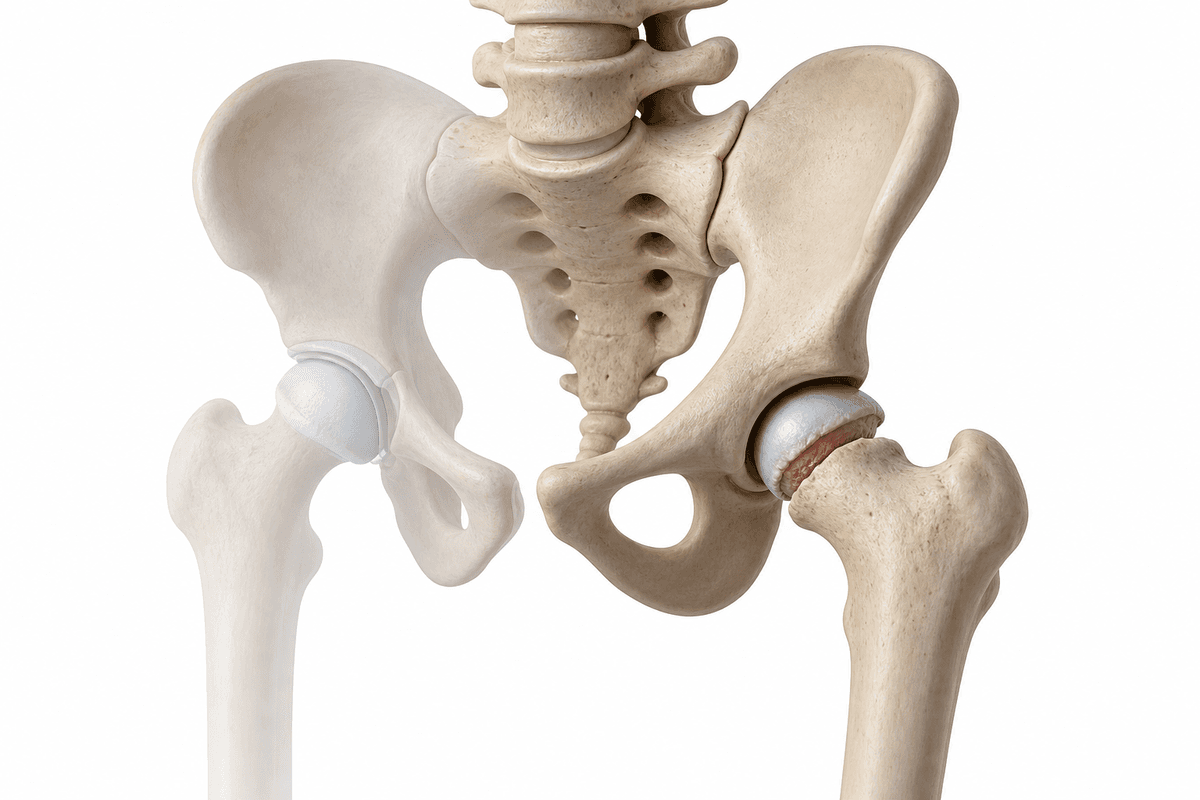
Slipped Capital Femoral Epiphysis (SCFE) in Hyderabad is a hip condition where the femoral head slips backward on the growth plate, most commonly affecting adolescents during growth spurts. This condition requires prompt diagnosis and treatment to prevent complications like avascular necrosis and chronic hip pain. Dr Venkatram Thyalapalli provides specialized pediatric orthopedic care for SCFE, utilizing advanced surgical techniques to stabilize the hip and restore normal function.
The child can walk with or without crutches, and the growth plate is still partially attached. This is the most common presentation, accounting for approximately 90% of cases. Pain is typically present but bearable, and the slip progresses slowly over weeks to months.
The child cannot walk even with crutches due to severe pain, and there is complete separation of the growth plate. This is a surgical emergency requiring immediate treatment to prevent avascular necrosis. The femoral head has completely displaced from the metaphysis, causing acute, severe symptoms.
Symptoms have been present for more than three weeks with gradual onset. The hip has adapted to the abnormal position, and bone remodeling may have begun. Patients present with persistent groin or thigh pain, limping, and reduced range of motion that has developed over an extended period.
Multiple factors can contribute to the development and progression of this condition.
Slipped Capital Femoral Epiphysis develops gradually. Recognising symptoms early gives you more treatment options.
From conservative to surgical — we always start with the least invasive option first.
A structured, patient-first approach from first visit to full recovery.
Dr Venkatram Thyalapalli conducts thorough physical examination assessing hip range of motion, gait pattern, leg length, and rotational alignment. He evaluates for associated endocrine conditions and obtains detailed history regarding symptom onset, duration, and progression to determine slip stability and urgency.
Complete radiographic assessment including AP pelvis and frog-leg lateral views to measure slip angle and displacement. Dr Thyalapalli classifies the SCFE as mild, moderate, or severe based on radiographic measurements, and as stable or unstable based on weight-bearing ability, guiding the treatment approach.
Dr Thyalapalli performs precise in situ pinning or open reduction based on slip severity and stability, using fluoroscopic guidance for optimal screw placement. He employs minimally invasive techniques when appropriate, ensuring secure fixation across the physis while preserving femoral head blood supply to minimize avascular necrosis risk.
Dr Thyalapalli designs individualized post-operative rehabilitation protocols including progressive weight-bearing, range of motion exercises, and strengthening activities. He monitors bone healing through serial radiographs and adjusts activity levels accordingly, ensuring optimal recovery while addressing any endocrine or weight management issues.
What to expect at each phase of recovery.
Patient maintains protected weight-bearing with crutches or walker as directed based on slip severity and fixation stability. Pain management, wound care, and gentle range of motion exercises are initiated. Regular follow-up visits with radiographs ensure proper screw position and early healing without complications.
Gradual transition to full weight-bearing as radiographic healing progresses and pain subsides. Physical therapy focuses on restoring hip range of motion, strengthening hip abductors and flexors, and normalizing gait pattern. Activity levels increase progressively with continued monitoring for any signs of complications.
Return to normal activities including sports after complete radiographic healing and functional recovery, typically by 4-6 months. Long-term follow-up continues until skeletal maturity to monitor for contralateral slip, avascular necrosis, chondrolysis, or femoroacetabular impingement. Growth plate closure is documented radiographically.
In situ pinning achieves immediate growth plate stabilization preventing further slippage in over 95% of stable SCFE cases. The procedure is minimally invasive with rapid recovery, allowing patients to return to normal activities within 3-6 months with appropriate rehabilitation.
Early diagnosis and prompt treatment preserve hip range of motion and prevent significant deformity. Most patients achieve excellent functional outcomes with minimal residual limitations, particularly when treated before severe displacement occurs or complications develop.
Close monitoring or prophylactic pinning of the opposite hip reduces the risk of bilateral involvement, which occurs in 20-40% of cases. Early intervention on the contralateral side, when indicated, prevents the need for more complex treatment later.
Timely surgical stabilization minimizes the risk of avascular necrosis, chondrolysis, and early hip arthritis. Appropriate treatment based on slip severity and stability maximizes the chances of normal hip development through skeletal maturity and into adulthood.
Untreated SCFE inevitably progresses to complete displacement of the femoral head, resulting in severe deformity and permanent hip damage. The risk of avascular necrosis increases dramatically with continued displacement, leading to femoral head collapse and devastating consequences. Chronic untreated SCFE causes early-onset hip arthritis, chronic pain, limping, and significant disability requiring complex reconstructive surgery or hip replacement in young adulthood.
Seek immediate evaluation if your child experiences persistent groin, thigh, or knee pain, especially during adolescent growth spurts or if accompanied by limping. Any adolescent with sudden inability to bear weight on one leg or severe hip pain requires emergency orthopedic assessment to rule out unstable SCFE. Early consultation with Dr Venkatram Thyalapalli is crucial for children with risk factors including obesity or endocrine disorders who develop any hip symptoms, as prompt treatment significantly improves outcomes and prevents complications.
Early treatment means more options and better outcomes. Book a consultation to understand your condition and explore the right path forward.
Consult Venkat Ram Thyalapalli for Slipped Capital Femoral Epiphysis at any of these 2 centres — pick the one nearest you.