Treated by Dr. Venkat Ram Thyalapalli at Dr Venkatram Thyalapalli
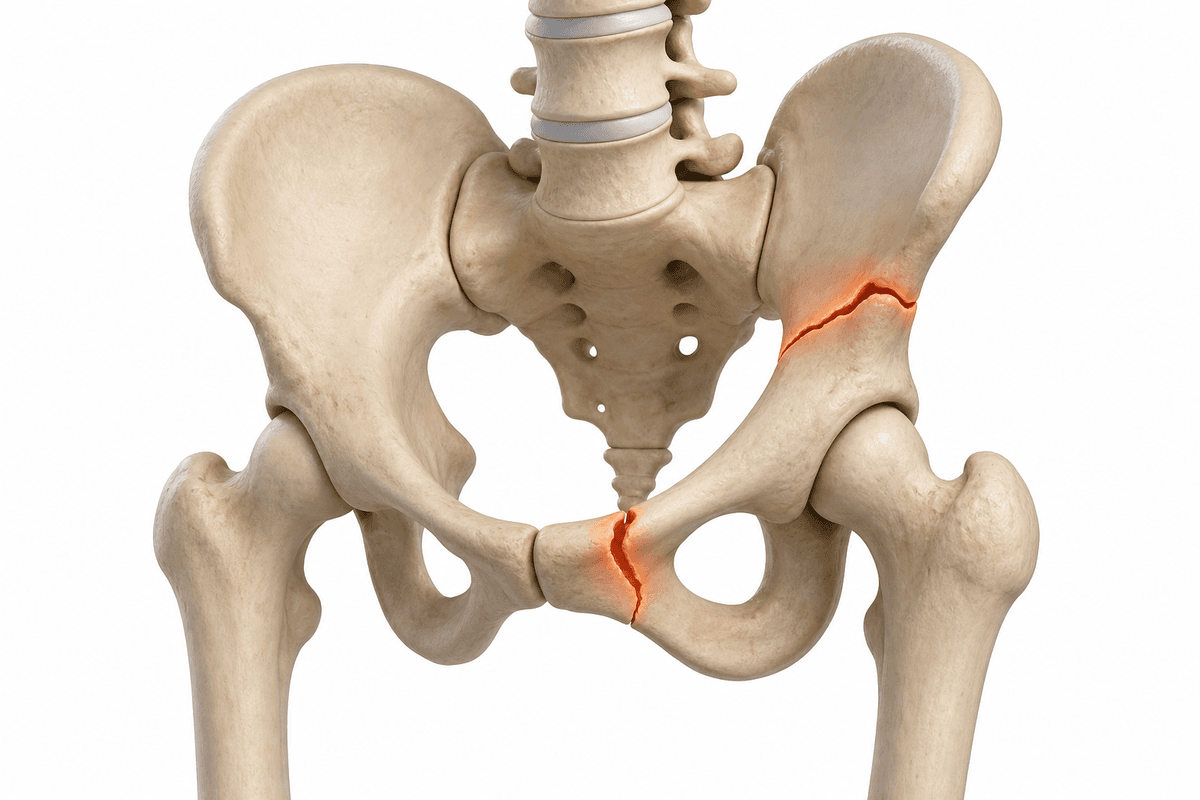
Pelvic fractures in Hyderabad represent serious injuries to the ring-shaped bone structure connecting the spine to the lower limbs, particularly concerning in pediatric patients due to growth considerations. These fractures result from high-energy trauma and require prompt, specialized evaluation to prevent complications. Dr Venkatram Thyalapalli provides expert pediatric orthopedic management for pelvic fractures with advanced diagnostic and surgical techniques.
Single breaks in the pelvic ring that maintain structural integrity with minimal displacement. These fractures typically involve one bone and do not disrupt the pelvic ring continuity, allowing for conservative management in most cases.
Multiple breaks disrupting pelvic ring stability, often involving both anterior and posterior structures. These injuries result from high-energy trauma and may cause significant displacement, internal bleeding, and associated organ injuries requiring urgent surgical intervention.
Fractures involving the hip socket portion of the pelvis where the femoral head articulates. These injuries can affect hip joint function and may lead to early arthritis if not properly aligned, often requiring surgical reconstruction to restore joint congruity.
Multiple factors can contribute to the development and progression of this condition.
Pelvic Fractures develops gradually. Recognising symptoms early gives you more treatment options.
From conservative to surgical — we always start with the least invasive option first.
A structured, patient-first approach from first visit to full recovery.
Dr Venkatram Thyalapalli performs immediate trauma evaluation following ATLS protocols, assessing hemodynamic stability, associated injuries, and neurovascular status. Advanced imaging including X-rays and CT scans determines fracture pattern and guides treatment planning while managing pain and preventing complications.
Dr Thyalapalli analyzes imaging studies to classify fracture type, assess pelvic ring stability, and identify associated acetabular or soft tissue injuries. This comprehensive evaluation determines whether conservative management or surgical intervention is required, considering the child's age and growth potential.
Based on fracture characteristics, Dr Venkatram Thyalapalli implements the appropriate treatment strategy ranging from protected mobilization for stable fractures to surgical fixation for unstable injuries. Pediatric-specific techniques preserve growth plates and minimize long-term complications while ensuring optimal fracture healing.
Dr Thyalapalli develops structured rehabilitation protocols including physical therapy, progressive weight-bearing, and functional restoration exercises. Regular follow-up appointments with serial imaging monitor healing progress, and adjustments are made to optimize recovery and return to normal activities safely.
What to expect at each phase of recovery.
Protected weight-bearing or non-weight-bearing status with pain management and wound care for surgical patients. Early range-of-motion exercises prevent stiffness while allowing fracture stabilization. Regular monitoring ensures proper alignment maintenance and identifies any complications early.
Progressive weight-bearing advancement as fracture healing progresses on serial X-rays. Physical therapy focuses on hip and core strengthening, gait normalization, and functional mobility restoration. Most patients transition to full weight-bearing by the end of this phase.
Return to normal daily activities with continued strengthening and conditioning exercises. Sports-specific rehabilitation for athletic patients ensures safe return to activities. Long-term follow-up monitors for growth disturbances, leg length discrepancy, or late complications in pediatric patients.
Over 90% of pediatric pelvic fractures heal successfully with appropriate treatment, restoring normal bone anatomy and pelvic ring stability. Children typically achieve complete fracture union within 8-12 weeks with proper management.
Most children return to pre-injury activity levels including sports and recreational activities within 4-6 months following treatment. Early intervention and appropriate rehabilitation protocols optimize functional outcomes and minimize long-term disability.
With expert pediatric orthopedic care, complications such as leg length discrepancy, growth disturbances, or post-traumatic arthritis are minimized. Regular monitoring during growth allows early detection and management of any potential issues.
Comprehensive treatment addressing both physical and psychological aspects of recovery enables children to resume normal childhood activities. Family education and support throughout the process contribute to successful adaptation and outcomes.
Untreated or inadequately managed pelvic fractures can lead to chronic pain, pelvic instability, and permanent walking difficulties. Displaced fractures may heal in malposition causing leg length discrepancy, deformity, and early arthritis of the hip joint. Associated injuries to blood vessels, nerves, or pelvic organs can result in life-threatening complications if not promptly addressed.
Immediate medical attention is required following any high-energy trauma involving the pelvis, particularly if the child cannot bear weight, has severe pain, or shows signs of shock such as pale skin, rapid heartbeat, or confusion. Any visible deformity, significant bruising around the pelvis or hips, or difficulty urinating after an injury warrants urgent evaluation. Dr Venkatram Thyalapalli provides emergency assessment and definitive care for pediatric pelvic fractures in Hyderabad.
Early treatment means more options and better outcomes. Book a consultation to understand your condition and explore the right path forward.
Consult Venkat Ram Thyalapalli for Pelvic Fractures at any of these 2 centres — pick the one nearest you.