Performed by Dr. Venkat Ram Thyalapalli at Dr Venkatram Thyalapalli
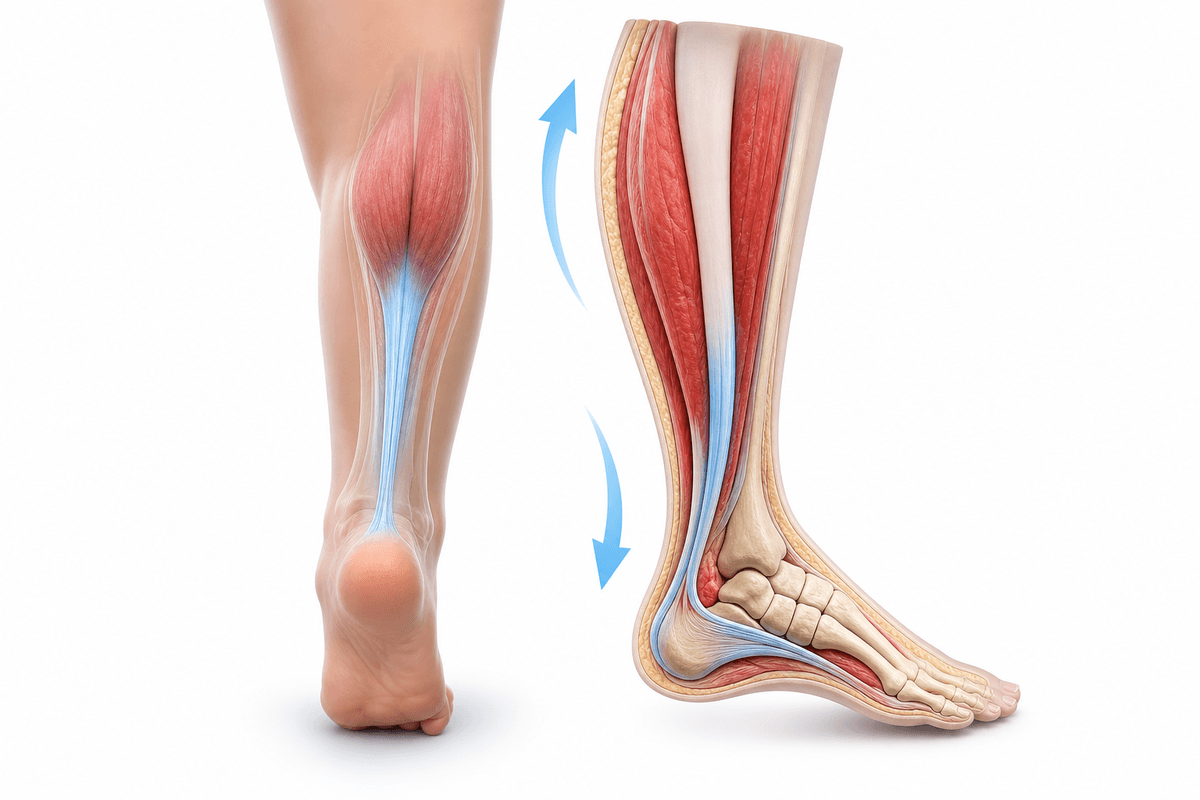
Equinus and toe-walking correction in Hyderabad addresses abnormal gait patterns where children walk on their toes or have limited ankle flexibility. This pediatric orthopedic procedure involves comprehensive evaluation and tailored treatment ranging from conservative stretching and bracing to surgical lengthening of tight tendons. Dr Venkatram Thyalapalli specializes in correcting these conditions with evidence-based approaches that restore normal foot positioning and walking patterns in growing children.
We believe in honest, upfront disclosure so you can make an informed decision.
A step-by-step look at what happens during this procedure.
Comprehensive evaluation of walking pattern, ankle range of motion, muscle strength, and underlying neurological or musculoskeletal conditions to determine the cause and severity of equinus or toe-walking.
Initial treatment with structured physical therapy, serial casting, ankle-foot orthoses (AFOs), and stretching exercises to gradually improve ankle flexibility and encourage heel-strike gait pattern.
When conservative measures fail, detailed surgical planning using gait analysis, dynamic EMG studies, and imaging to select appropriate procedures such as Achilles tendon lengthening or gastrocnemius recession.
Surgical lengthening of the tight Achilles tendon or gastrocnemius muscle through minimally invasive techniques to restore normal ankle dorsiflexion and eliminate the toe-walking pattern.
Application of cast or walking boot to protect the lengthened tendon while it heals in the corrected position, followed by gradual rehabilitation to restore strength and normal gait mechanics.
A structured, patient-first approach from first consultation to full recovery.
Dr Venkatram Thyalapalli conducts thorough assessments including detailed gait analysis, neurological examination, and family history review to identify the underlying cause and customize the treatment approach for each child.
Working closely with families to educate them about the condition, explore conservative options first, and ensure they understand the treatment plan, expected outcomes, and their role in the child's rehabilitation process.
When surgery is needed, Dr Thyalapalli employs minimally invasive approaches with meticulous technique to achieve optimal tendon lengthening while preserving neurovascular structures and minimizing surgical trauma for faster recovery.
Post-operative care includes structured physical therapy protocols, progressive weight-bearing programs, and regular follow-up monitoring to ensure proper healing, prevent recurrence, and achieve long-term gait normalization.
What to expect at each stage of your recovery journey.
Initial 2-6 weeks involve cast immobilization to protect the lengthened tendon, pain management, elevation to reduce swelling, and non-weight-bearing or limited weight-bearing as directed by the surgeon.
Weeks 6-12 focus on transitioning to a walking boot or AFO, initiating structured physical therapy for ankle strengthening and range of motion exercises, and gradually increasing weight-bearing activities under supervision.
Months 3-6 involve progressive return to normal activities including running and sports, continued stretching exercises to maintain flexibility, and periodic monitoring to ensure proper gait pattern is maintained and no recurrence occurs.
Children achieve heel-to-toe walking pattern with improved ankle dorsiflexion, eliminating the toe-walking habit and allowing for more efficient and stable ambulation during daily activities.
Correction of equinus deformity improves overall mobility, balance, and coordination, reducing fatigue during walking and enabling participation in age-appropriate physical activities and sports.
Elimination of abnormal stress on the forefoot and metatarsals reduces pain, calluses, and discomfort associated with chronic toe-walking, improving quality of life and footwear tolerance.
Early correction prevents long-term complications such as fixed contractures, compensatory knee and hip problems, progressive foot deformities, and functional limitations that can persist into adulthood.
Let's clear up some of the most common myths about equinus / toe-walking correction.
Get a personalised assessment from an experienced specialist. Understand your options, ask your questions, and decide with confidence.
Consult Venkat Ram Thyalapalli for Equinus / Toe-Walking Correction at any of these 2 centres — pick the one nearest you.