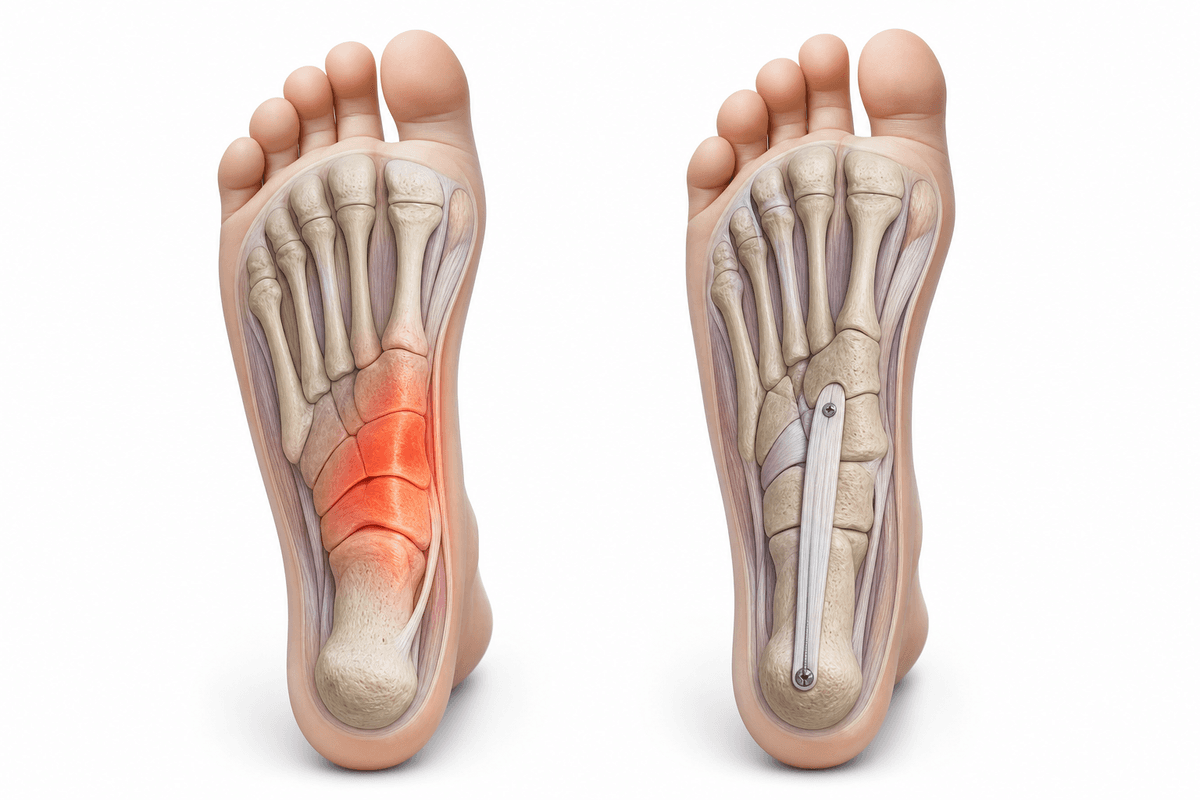
Performed by Dr. Venkat Ram Thyalapalli at Dr Venkatram Thyalapalli
Flatfoot correction in Hyderabad addresses the absence or collapse of the foot's arch, a common pediatric condition that can cause pain and functional limitations. Dr Venkatram Thyalapalli specializes in both surgical and non-surgical approaches tailored to each child's unique anatomical needs. With advanced diagnostic tools and minimally invasive techniques, Venkat Ram Thyalapalli provides comprehensive flatfoot treatment that restores normal foot mechanics and prevents long-term complications.
We believe in honest, upfront disclosure so you can make an informed decision.
A step-by-step look at what happens during this procedure.
Comprehensive evaluation includes physical examination, gait analysis, and advanced imaging to determine the type and severity of flatfoot deformity and identify underlying structural abnormalities.
Based on the specific deformity pattern, the surgeon selects the appropriate technique such as tendon transfer, osteotomy, or arthrodesis to restore the longitudinal arch and correct alignment.
The procedure involves repositioning bones, lengthening tight tendons, reinforcing weakened structures, or fusing joints depending on the severity and flexibility of the flatfoot condition.
Surgical implants such as screws, pins, or plates may be used to maintain the corrected position while healing occurs, ensuring proper arch formation and foot alignment.
After achieving optimal correction, incisions are closed and the foot is placed in a cast or specialized boot to protect the surgical site and maintain the corrected position during initial healing.
A structured, patient-first approach from first consultation to full recovery.
Dr Venkatram Thyalapalli conducts thorough assessments using state-of-the-art imaging to create individualized surgical plans that address each child's specific flatfoot pathology and functional goals.
Utilizing advanced surgical approaches, Dr Thyalapalli minimizes tissue trauma, reduces scarring, and accelerates recovery while achieving optimal arch reconstruction and biomechanical correction.
Post-operative care includes structured physical therapy protocols, gradual weight-bearing progression, and custom orthotics to ensure complete functional recovery and prevent recurrence.
Dr Venkatram Thyalapalli provides ongoing monitoring throughout growth and development to ensure maintained correction, address any concerns, and optimize long-term foot function and quality of life.
What to expect at each stage of your recovery journey.
The first 2-3 weeks involve complete non-weight bearing with cast immobilization, elevation to reduce swelling, and pain management. Regular wound checks ensure proper healing without complications.
From weeks 4-12, patients transition from cast to walking boot, gradually increase weight-bearing under supervision, and begin physical therapy exercises to restore range of motion and strengthen surrounding muscles.
Between 3-6 months, patients progressively return to normal activities including sports and recreational pursuits. Custom orthotics may be prescribed, and continued strengthening exercises optimize long-term outcomes and prevent compensatory issues.
Surgical correction successfully recreates the medial longitudinal arch, restoring normal foot biomechanics and eliminating the flattened appearance that characterizes flatfoot deformity.
Patients experience significant reduction or complete elimination of foot and ankle pain, allowing comfortable walking, running, and participation in physical activities without discomfort.
Correction of alignment abnormalities results in normalized gait patterns, better balance, reduced fatigue during walking, and enhanced overall lower extremity function.
Early intervention prevents progression to arthritis, tendon degeneration, ankle instability, and compensatory problems in knees, hips, and spine that can develop from untreated flatfoot.
Let's clear up some of the most common myths about flatfoot correction.
Get a personalised assessment from an experienced specialist. Understand your options, ask your questions, and decide with confidence.
Consult Venkat Ram Thyalapalli for Flatfoot Correction at any of these 2 centres — pick the one nearest you.