Treated by Dr. Venkat Ram Thyalapalli at Dr Venkatram Thyalapalli
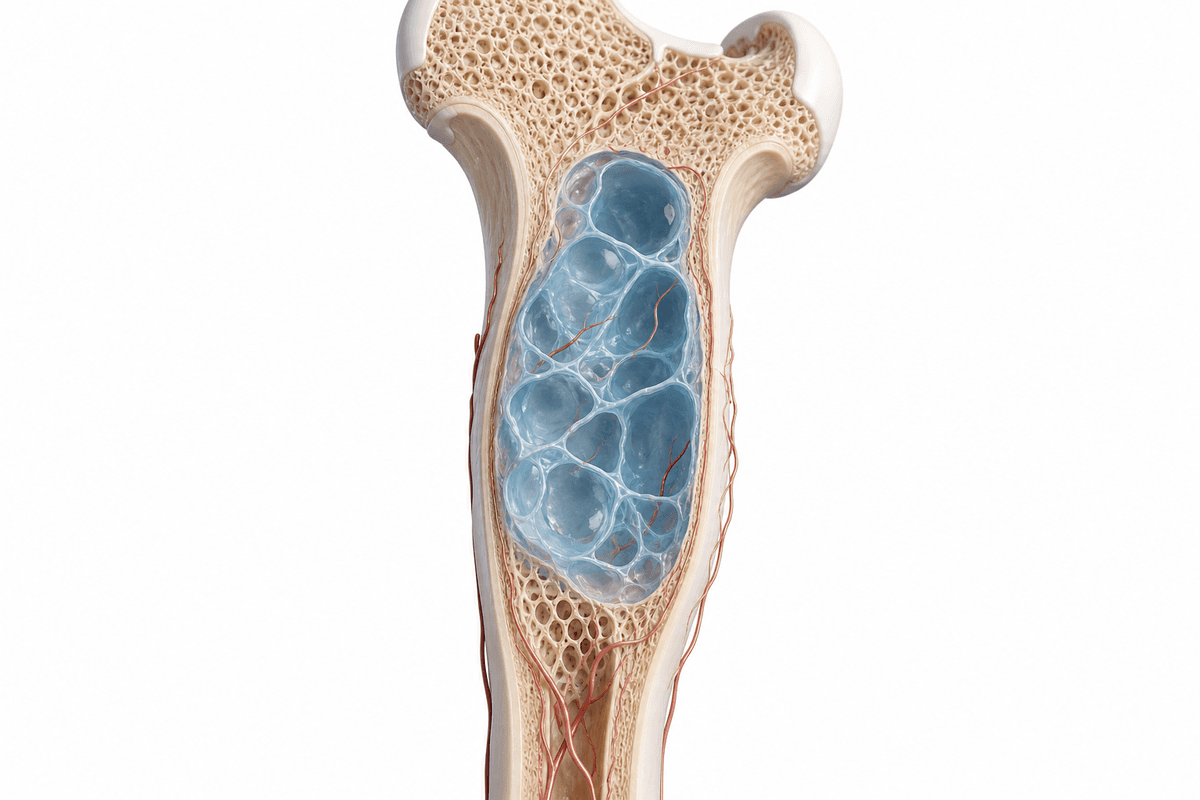
Aneurysmal Bone Cyst is a benign but aggressive bone lesion commonly affecting children and adolescents in Hyderabad. This blood-filled cystic lesion typically occurs in the metaphysis of long bones and can cause bone expansion, pain, and pathological fractures. Dr Venkatram Thyalapalli provides specialized pediatric orthopedic care for aneurysmal bone cysts using evidence-based treatment protocols.
Develops independently without any pre-existing bone lesion. Represents approximately 70% of all cases and typically occurs in the metaphyseal region of long bones or posterior elements of vertebrae. Characterized by blood-filled cavities separated by connective tissue septa containing fibroblasts, osteoclast-type giant cells, and reactive woven bone.
Arises from transformation of pre-existing bone lesions such as giant cell tumor, chondroblastoma, osteoblastoma, or fibrous dysplasia. Accounts for about 30% of cases and may present with features of the underlying pathology. Requires careful histological examination to identify the primary lesion and guide appropriate treatment.
Rare subtype characterized by predominantly solid tissue without large blood-filled spaces. Histologically shows fibrous tissue with osteoid formation and scattered giant cells. May be radiographically mistaken for other solid bone tumors but has similar clinical behavior and treatment approach as conventional aneurysmal bone cysts.
Multiple factors can contribute to the development and progression of this condition.
Aneurysmal Bone Cyst develops gradually. Recognising symptoms early gives you more treatment options.
From conservative to surgical — we always start with the least invasive option first.
A structured, patient-first approach from first visit to full recovery.
Dr Venkatram Thyalapalli conducts thorough clinical examination and orders appropriate imaging including radiographs, MRI, and CT scans to characterize the lesion. Biopsy is performed when necessary to confirm diagnosis and rule out malignancy, ensuring accurate pathological correlation before treatment planning.
Treatment strategy is customized based on patient age, lesion location, size, aggressiveness, and risk of complications. Dr Thyalapalli discusses all available options with the family, considering minimally invasive approaches first while maintaining readiness for surgical intervention when indicated for optimal outcomes.
When surgery is required, Dr Venkatram Thyalapalli performs meticulous curettage or resection using modern surgical techniques, intraoperative adjuvants to minimize recurrence, and appropriate reconstruction with bone grafting. Special attention is given to preserving growth plates in skeletally immature patients and maintaining limb function.
Dr Thyalapalli provides comprehensive postoperative care with regular clinical and radiological monitoring to detect early recurrence. A tailored rehabilitation program is designed to restore strength, mobility, and function. Long-term surveillance continues until skeletal maturity to ensure complete resolution and normal bone development.
What to expect at each phase of recovery.
Initial healing phase with wound care, pain management, and protected weight-bearing or immobilization as needed. Gentle range of motion exercises begin once wound healing is adequate. Serial radiographs monitor bone graft incorporation and early signs of healing.
Progressive weight-bearing and activity advancement based on radiographic evidence of bone healing. Physical therapy intensifies to restore muscle strength, joint mobility, and functional activities. Imaging studies assess bone remodeling and rule out recurrence.
Gradual return to full activities including sports with continued surveillance for recurrence through clinical and radiological follow-up. Most recurrences occur within first two years. Complete bone remodeling and functional recovery typically achieved by 12-18 months with excellent long-term prognosis.
Appropriate treatment achieves cure rates of 85-95% with modern techniques. Recurrence rates have decreased to 10-20% with adjuvant therapies during curettage. Early detection and prompt treatment minimize complications and optimize long-term results.
Most patients regain full or near-full function of the affected limb after successful treatment and rehabilitation. Return to normal activities including sports is typically achieved within 6-12 months. Pediatric patients show excellent bone remodeling capacity with minimal long-term deformity.
With careful surgical technique protecting growth plates, normal skeletal development continues in pediatric patients. Leg length discrepancies are rare when epiphyseal plates are preserved. Long-term studies show minimal impact on final adult height and limb proportions.
Timely treatment prevents pathological fractures, progressive bone destruction, and joint involvement. Early intervention minimizes need for extensive reconstruction and preserves bone stock. Patients avoid chronic pain, deformity, and functional limitations associated with untreated disease.
Untreated aneurysmal bone cysts continue to expand progressively, causing extensive bone destruction, cortical thinning, and high risk of pathological fractures. The lesion can erode into adjacent joints causing arthritis, compress neurovascular structures, or extend into soft tissues. In spinal locations, untreated cysts may cause neurological compromise including paralysis, while long bone involvement leads to deformity, chronic pain, and significant functional disability requiring more extensive reconstructive surgery.
Seek immediate evaluation by Dr Venkatram Thyalapalli if your child experiences persistent bone pain lasting more than a few weeks, visible swelling over a bone, unexplained limb deformity, or fracture with minimal trauma. Early symptoms like activity-related discomfort, night pain, or progressive swelling warrant prompt assessment. Parents should not dismiss persistent musculoskeletal complaints in children, as early diagnosis and treatment of aneurysmal bone cysts significantly improve outcomes and reduce complications.
Early treatment means more options and better outcomes. Book a consultation to understand your condition and explore the right path forward.
Consult Venkat Ram Thyalapalli for Aneurysmal Bone Cyst at any of these 2 centres — pick the one nearest you.