Treated by Dr. Venkat Ram Thyalapalli at Dr Venkatram Thyalapalli
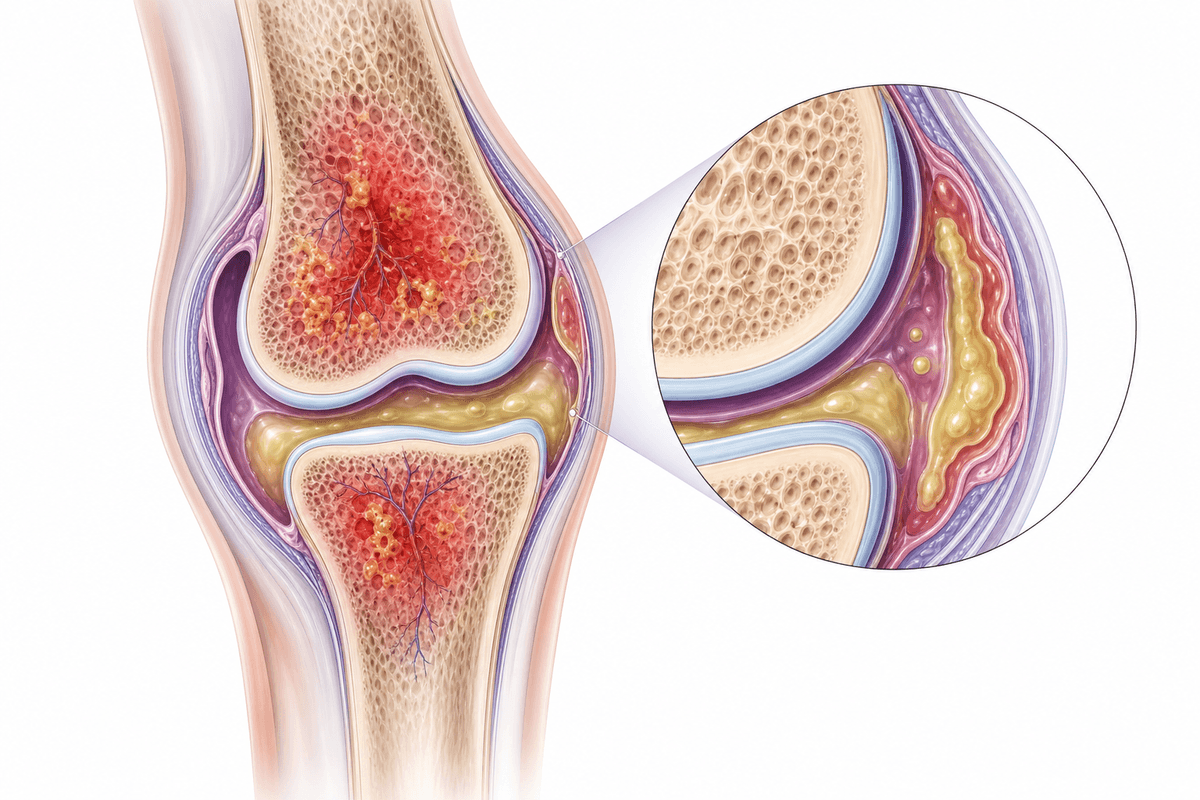
Osteomyelitis is an infection of the bone, while septic arthritis is an infection inside a joint. Both conditions can occur in children and require urgent medical attention. Dr Venkatram Thyalapalli evaluates and manages these infections with a combination of medications and, when necessary, surgical drainage to prevent lasting damage.
Infection that spreads to the bone through the bloodstream, most common in children. It usually affects long bones such as the femur or tibia.
Joint infection affecting the hip, which can damage cartilage quickly if not treated promptly. It is often seen in young children and requires urgent drainage.
Infection can occur in the knee, ankle, shoulder, or elbow. Swelling, warmth, and severe pain with movement are typical features.
Multiple factors can contribute to the development and progression of this condition.
Recognising the signs early gives you more treatment options.
Diagnosis begins with clinical history and a physical examination to identify pain, swelling, and restricted movement. Blood tests and imaging help confirm the infection and its location. Not every patient requires all investigations; the choice depends on individual presentation.
From conservative to surgical — we always start with the least invasive option first.
A structured, patient-first approach from first visit to full recovery.
Dr Venkatram Thyalapalli examines the child carefully, noting the site of pain, swelling, fever, and ability to move the limb. A detailed history helps identify how the infection may have started.
Blood tests check for infection markers, and imaging such as X-rays, ultrasound, or MRI help locate the infection and assess its extent. Joint fluid may be aspirated for analysis.
A treatment plan is tailored to the child's condition. Intravenous antibiotics are started promptly. If there is significant pus or the infection is not settling, surgical drainage is arranged without delay.
Regular follow-up visits monitor the child's response to treatment. Blood tests and imaging are repeated as needed. Guidance is provided on activity, physiotherapy, and the safe return to normal function.
What to expect at each phase of recovery.
Hospital admission is often required for intravenous antibiotics and, if needed, surgery. Pain and fever typically improve within a few days. Timelines vary depending on the severity of infection and individual response.
Once the infection is controlled, gentle movement and physiotherapy help restore strength and range of motion. Weight-bearing is gradually resumed under guidance. Activity restrictions are lifted as healing progresses.
Follow-up continues for several months to ensure the infection has fully resolved and that bone and joint growth are proceeding normally. Any concerns about limb function or recurrence are addressed promptly.
Early diagnosis and treatment aim to clear the infection completely and prevent it from spreading or recurring. Adherence to the full course of antibiotics is essential.
Timely treatment helps preserve normal joint movement and bone growth. However, infections that are advanced or delayed in treatment may lead to lasting stiffness or growth disturbance despite good management.
Pain typically resolves as the infection clears. Ongoing discomfort may indicate incomplete resolution or complications that require further evaluation.
Even with appropriate care, some children may develop chronic infection, growth arrest, or joint damage. Regular monitoring helps detect and address these issues early.
Untreated osteomyelitis or septic arthritis can lead to permanent joint damage, bone destruction, and growth disturbances. The infection may spread to surrounding tissues or into the bloodstream, causing serious systemic illness. Chronic infection and abscess formation can result, requiring prolonged or repeated treatment.
Seek medical attention promptly if your child has persistent bone or joint pain, especially with fever, refusal to use a limb, or inability to bear weight. Warmth, swelling, or redness over a bone or joint, along with general unwellness, should be evaluated urgently. Early diagnosis and treatment are important to prevent complications.
Early treatment means more options and better outcomes. Book a consultation to understand your condition and explore the right path forward.
Consult Venkat Ram Thyalapalli for Osteomyelitis and Septic Arthritis at any of these 2 centres — pick the one nearest you.