Treated by Dr. Venkat Ram Thyalapalli at Dr Venkatram Thyalapalli
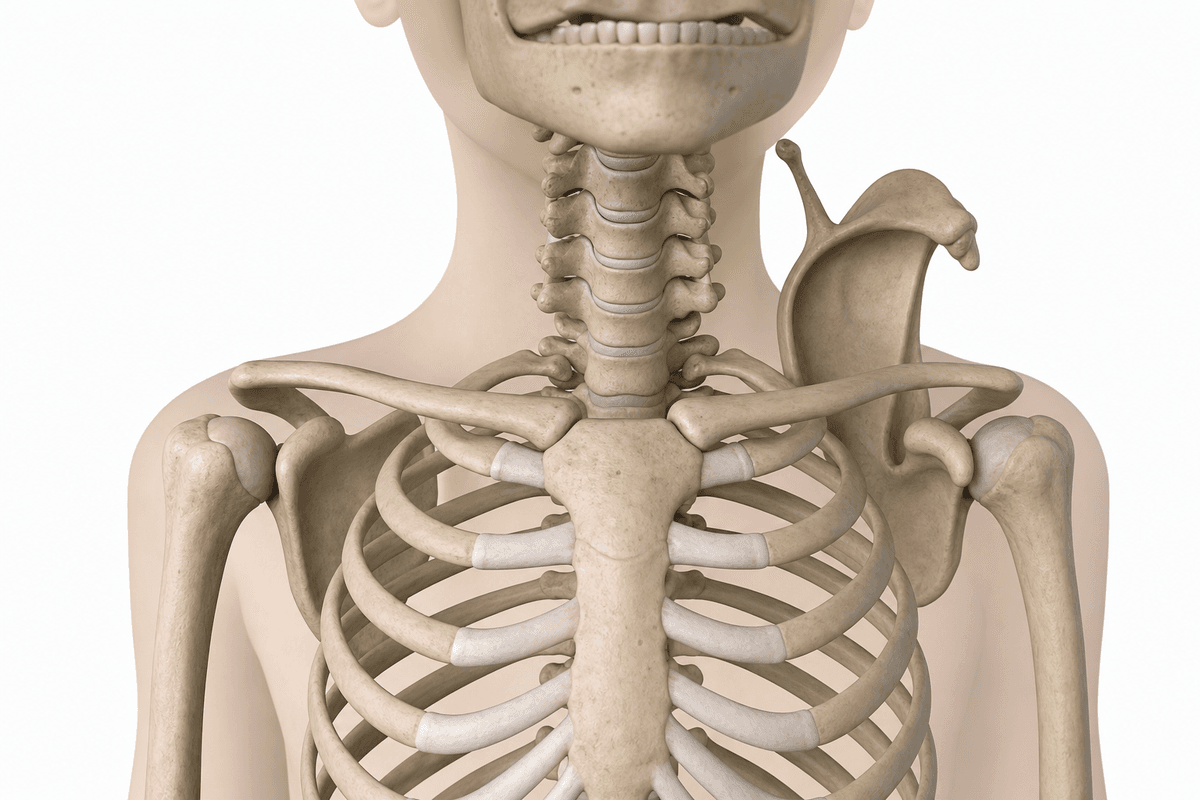
Sprengel's Shoulder is a rare congenital condition characterized by abnormal elevation of the shoulder blade, commonly seen in children in Hyderabad and worldwide. This birth defect occurs when the scapula fails to descend to its normal position during fetal development, resulting in a visibly elevated and often smaller shoulder blade on one or both sides. The condition can affect shoulder mobility and appearance, impacting a child's functional abilities and self-esteem. Dr Venkatram Thyalapalli specializes in the diagnosis and surgical correction of Sprengel's Shoulder, offering comprehensive pediatric orthopedic care.
Mildest form where the shoulder is barely elevated and the deformity is hardly visible. The scapula is positioned slightly higher than normal with minimal cosmetic or functional impairment. Most children with Grade I deformity do not require surgical intervention.
Moderate elevation of the scapula with visible shoulder asymmetry and limited shoulder abduction. The deformity becomes more noticeable, and functional limitations begin to affect daily activities. These grades often benefit from surgical correction to improve both appearance and function.
Severe form with marked elevation of the scapula reaching near the occiput, significant cosmetic deformity, and substantial functional impairment. The shoulder blade may be rotated and hypoplastic with associated anomalies like omovertebral bone. Surgical intervention is typically indicated to address both functional and aesthetic concerns.
Multiple factors can contribute to the development and progression of this condition.
Sprengel's Shoulder develops gradually. Recognising symptoms early gives you more treatment options.
From conservative to surgical — we always start with the least invasive option first.
A structured, patient-first approach from first visit to full recovery.
Dr Venkatram Thyalapalli performs detailed physical examination evaluating shoulder height asymmetry, range of motion, and associated anomalies. He orders appropriate imaging including X-rays, CT scans, or MRI to assess bony anatomy, presence of omovertebral bone, and associated cervical spine abnormalities. The severity is graded using the Cavendish classification system to guide treatment planning.
Based on the severity of deformity, age of the child, functional limitations, and family concerns, Dr Thyalapalli develops a personalized treatment strategy. For mild cases, he may recommend observation with periodic follow-up. For moderate to severe cases requiring surgery, he discusses timing, surgical technique options, expected outcomes, and potential risks with the family to ensure informed decision-making.
Dr Venkatram Thyalapalli performs the selected surgical procedure with meticulous technique, focusing on safe release of abnormal attachments, removal of omovertebral bone when present, and optimal repositioning of the scapula. He employs careful surgical dissection to protect vital neurovascular structures including the brachial plexus and ensures adequate mobilization for maximum correction while maintaining shoulder function.
Following surgery, Dr Thyalapalli oversees comprehensive postoperative management including appropriate immobilization, pain control, and wound care. He coordinates with physiotherapists to implement a gradual rehabilitation program that progresses from protected motion to full functional restoration. Regular follow-up visits monitor healing, assess shoulder position maintenance, and track functional recovery to ensure optimal long-term outcomes.
What to expect at each phase of recovery.
The shoulder is immobilized using a sling or special brace to protect the surgical repair and maintain the corrected scapular position. Pain management is provided, and wound healing is monitored. Gentle passive exercises may begin under supervision to prevent stiffness while protecting the repair. Parents receive detailed instructions on care and activity restrictions.
Progressive mobilization begins with guided active-assisted range of motion exercises. The immobilization device is gradually weaned as healing progresses. Strengthening exercises are introduced cautiously to rebuild shoulder girdle muscles. Children return to light daily activities with continued restrictions on heavy lifting and contact activities. Regular physiotherapy sessions optimize functional recovery.
Full active range of motion exercises and comprehensive strengthening programs are implemented to restore optimal shoulder function. Children gradually return to unrestricted activities including sports and recreational pursuits. Cosmetic appearance continues to improve as swelling resolves and tissues remodel. Follow-up appointments monitor shoulder position maintenance, functional outcomes, and address any concerns. Most children achieve significant improvement in both appearance and function.
Surgical correction significantly reduces shoulder elevation and asymmetry, resulting in a more balanced and aesthetically pleasing shoulder contour. The visible deformity is substantially diminished, improving the child's body image and self-confidence. The degree of cosmetic improvement correlates with the severity of initial deformity and quality of surgical correction achieved.
Most children experience meaningful improvement in shoulder range of motion, particularly in abduction and forward elevation. While complete normalization may not always be achievable, functional gains allow for improved performance of daily activities, self-care tasks, and participation in recreational activities. The improvement in function positively impacts quality of life.
Surgical release of abnormal attachments and scapular repositioning typically increases shoulder abduction by 30-60 degrees on average. Children gain the ability to reach higher and across their body more effectively. The functional improvement is most significant when surgery is performed at the optimal age between 3-8 years, before adaptive changes become fixed.
Studies report excellent satisfaction rates following surgical correction of Sprengel's Shoulder, with families noting improvements in both appearance and function. Children experience enhanced psychological well-being and social integration. Early intervention and realistic expectations contribute to positive long-term outcomes. Minimal recurrence occurs when surgery is performed with appropriate technique.
Untreated Sprengel's Shoulder results in permanent cosmetic deformity that becomes increasingly noticeable as the child grows, potentially affecting self-esteem and psychological development. Functional limitations persist with restricted shoulder abduction and overhead reaching, impacting daily activities, sports participation, and potentially vocational choices. Associated neck stiffness may worsen over time, and the abnormal biomechanics can lead to secondary muscle imbalances, chronic pain, and compensatory postural problems that affect overall quality of life.
Parents should seek evaluation by a pediatric orthopedic specialist like Dr Venkatram Thyalapalli if they notice shoulder asymmetry, elevated shoulder blade, or limited shoulder movement in their child. Early consultation, ideally before age 8, allows for optimal timing of intervention when surgical correction yields the best functional and cosmetic results. If the child experiences progressive functional limitations, increasing cosmetic concerns affecting self-esteem, or associated neck pain or stiffness, prompt evaluation is recommended to discuss treatment options and prevent long-term complications.
Early treatment means more options and better outcomes. Book a consultation to understand your condition and explore the right path forward.
Consult Venkat Ram Thyalapalli for Sprengel's Shoulder at any of these 2 centres — pick the one nearest you.