Treated by Dr. Venkat Ram Thyalapalli at Dr Venkatram Thyalapalli
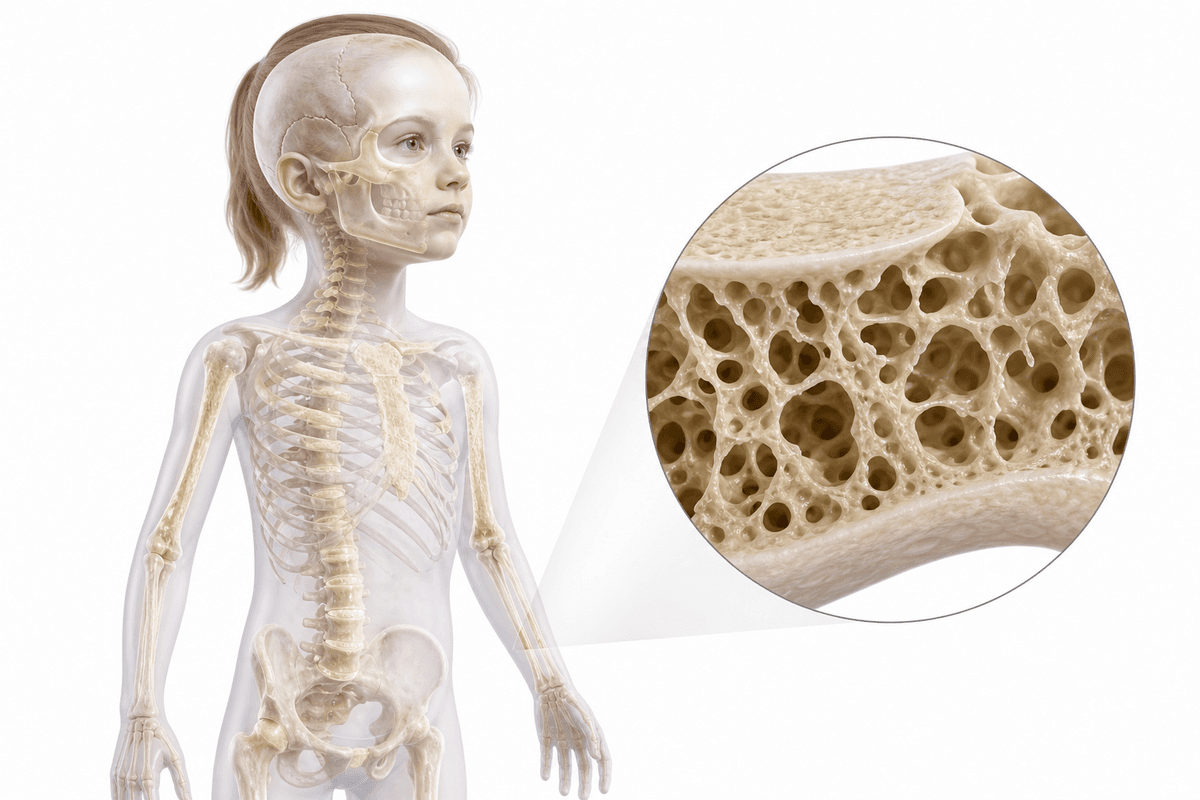
Osteogenesis Imperfecta, also known as brittle bone disease, affects children in Hyderabad with genetic collagen defects causing fragile bones prone to fractures. This rare hereditary disorder requires specialized pediatric orthopedic management to prevent deformities and improve quality of life. Dr Venkatram Thyalapalli provides comprehensive multidisciplinary care for children with Osteogenesis Imperfecta, utilizing advanced surgical techniques and medical management protocols.
Most common and mildest form with normal or near-normal stature, blue sclerae, and mild bone fragility. Fractures occur but decrease after puberty with minimal deformity.
Progressively deforming type with very short stature, triangular face, severe scoliosis, and numerous fractures from birth. Requires extensive orthopedic intervention including rodding procedures.
Moderately severe form with variable short stature, normal or grayish sclerae, and moderate bone deformity. Fracture frequency varies and dental involvement may occur.
Multiple factors can contribute to the development and progression of this condition.
Osteogenesis Imperfecta develops gradually. Recognising symptoms early gives you more treatment options.
From conservative to surgical — we always start with the least invasive option first.
A structured, patient-first approach from first visit to full recovery.
Dr Venkatram Thyalapalli conducts thorough clinical assessment including skeletal survey, bone density measurement, and genetic testing to confirm diagnosis and classify OI type. Baseline evaluation of existing deformities, functional status, and family history guides personalized treatment planning.
Dr Thyalapalli coordinates with pediatricians, geneticists, and rehabilitation specialists to develop individualized management protocols. Medical therapy with bisphosphonates is initiated, and surgical interventions are strategically planned based on fracture patterns and deformity progression.
Dr Venkatram Thyalapalli performs specialized intramedullary rodding procedures using telescopic systems for long bones and addresses spinal deformities when necessary. Meticulous surgical technique with osteoporotic bone handling expertise ensures optimal outcomes with minimal complications.
Dr Thyalapalli provides continuous monitoring through childhood and adolescence with regular clinical assessments, radiographic surveillance, and adjustment of medical therapy. Proactive management of complications and timely intervention for new deformities ensures maintained function and quality of life.
What to expect at each phase of recovery.
Protected weight-bearing with careful wound care and pain management following rodding surgery. Early mobilization with physical therapy begins once surgical healing permits, typically within 2-3 weeks. Bisphosphonate infusions continue on schedule to support bone healing.
Progressive weight-bearing and functional training under physiotherapy guidance to regain strength and mobility. Regular follow-up radiographs confirm rod position and bone healing. Gradual return to age-appropriate activities with continued fracture precautions.
Ongoing surveillance for rod migration, bone growth, and new deformities requiring intervention. Continued bisphosphonate therapy through skeletal maturity with periodic dose adjustments. Transition planning to adult care and vocational guidance for older adolescents.
Significant decrease in fracture frequency by 50-70% with bisphosphonate therapy combined with prophylactic rodding of major long bones, allowing improved mobility and reduced pain.
Enhanced ambulatory status and functional independence through corrected limb alignment, strengthened bones, and reduced deformity progression, with many children achieving community ambulation.
Successful straightening of bowed limbs and stabilization of spinal curves through surgical intervention, preventing progressive deformity and maintaining skeletal alignment through growth.
Reduced pain, increased participation in school and social activities, improved self-esteem, and better long-term functional outcomes with comprehensive multidisciplinary management approach.
Without treatment, Osteogenesis Imperfecta leads to recurrent fractures, progressive skeletal deformities, severe short stature, and potential wheelchair dependence. Untreated spinal deformities can cause respiratory compromise and cardiopulmonary complications. Chronic pain, social isolation, and significantly reduced quality of life result from unmanaged disease progression.
Early treatment means more options and better outcomes. Book a consultation to understand your condition and explore the right path forward.
Consult Venkat Ram Thyalapalli for Osteogenesis Imperfecta at any of these 2 centres — pick the one nearest you.