Performed by Dr. Venkat Ram Thyalapalli at Dr Venkatram Thyalapalli
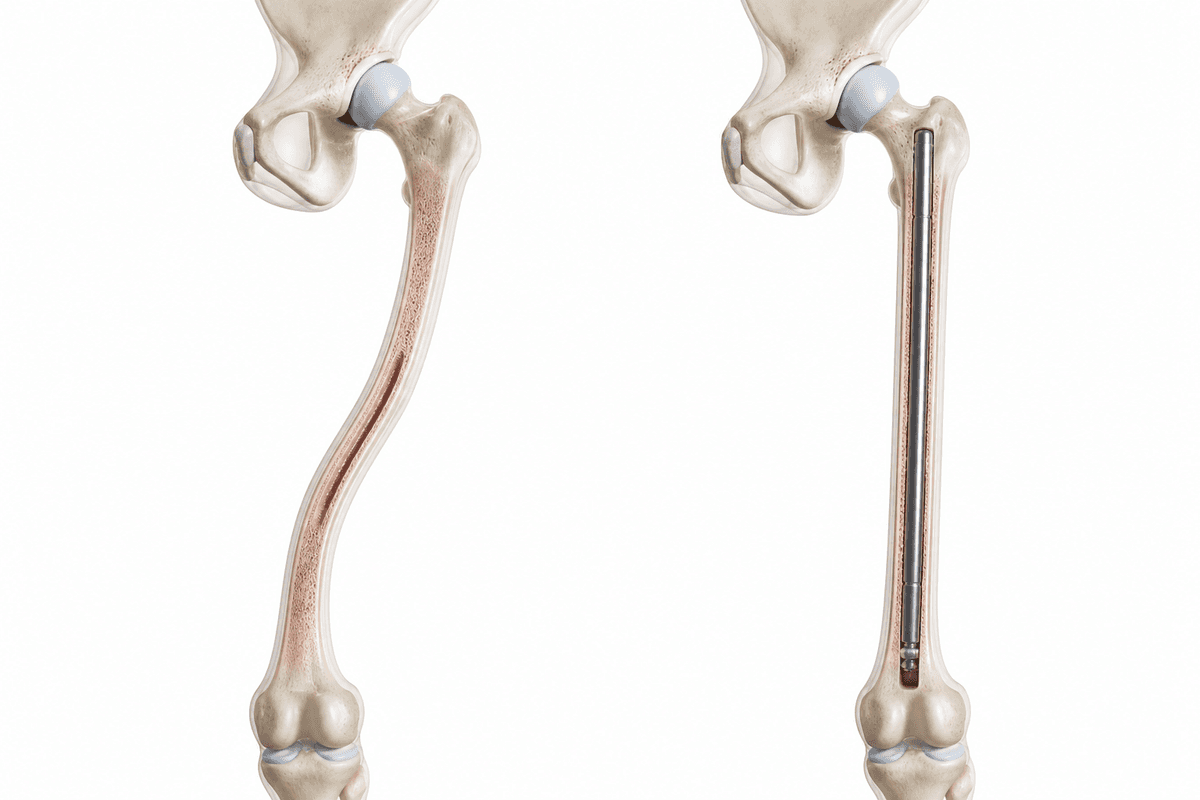
Osteogenesis Imperfecta Deformity Correction and Rodding in Hyderabad addresses the severe bone fragility and deformities associated with brittle bone disease through advanced intramedullary rodding techniques. This specialized surgical procedure involves inserting metal rods into the long bones to provide internal support, prevent fractures, and correct angular deformities that commonly affect children with osteogenesis imperfecta. Dr Venkatram Thyalapalli brings extensive pediatric orthopedic expertise to deliver precise, compassionate care for children with this challenging genetic condition.
We believe in honest, upfront disclosure so you can make an informed decision.
A step-by-step look at what happens during this procedure.
Comprehensive evaluation includes detailed imaging studies, bone density measurements, and assessment of deformity severity to plan the optimal rod type and surgical approach for each affected bone.
The surgeon creates carefully planned incisions to access the medullary canal of the affected long bone, ensuring minimal soft tissue disruption while maintaining adequate visualization for rod insertion.
Angular deformities are corrected through osteotomies (controlled bone cuts) at predetermined sites, allowing realignment of the bone segments to restore proper anatomical axis and improve function.
Telescoping or non-telescoping intramedullary rods are inserted through the bone's medullary canal, providing internal structural support that reinforces the weak bone and maintains correction as the child grows.
The rods are secured with appropriate fixation methods, bone fragments are stabilized, and surgical incisions are meticulously closed with careful attention to soft tissue handling to promote optimal healing.
A structured, patient-first approach from first consultation to full recovery.
Dr Venkatram Thyalapalli conducts thorough preoperative planning using advanced imaging to determine the optimal rod type, size, and surgical technique tailored to each child's specific bone anatomy, deformity pattern, and growth potential.
Understanding the extreme fragility of bones in osteogenesis imperfecta, Dr Thyalapalli employs meticulous surgical techniques with minimal bone manipulation, specialized instruments, and careful handling to prevent iatrogenic fractures during the procedure.
A multimodal pain management protocol is implemented combining regional anesthesia, appropriate analgesics, and comfort measures to ensure children experience minimal discomfort during recovery while facilitating early mobilization.
Dr Thyalapalli coordinates closely with pediatric physiotherapists to design individualized rehabilitation protocols that promote safe weight-bearing progression, muscle strengthening, and functional independence while protecting healing bones.
What to expect at each stage of your recovery journey.
The first week focuses on pain management, wound care, and gentle range-of-motion exercises. Children remain on protective restrictions with careful positioning and handling to safeguard the operated limb while initial healing begins.
Weeks 2-8 involve gradual mobilization with physiotherapy, progressive weight-bearing as tolerated, and strengthening exercises. Regular follow-up X-rays monitor rod position and bone healing, ensuring appropriate progression through rehabilitation milestones.
Months 3-6 emphasize returning to age-appropriate activities with continued strengthening and functional training. Most children achieve significant improvements in mobility, reduced fracture risk, and enhanced quality of life as bone remodeling progresses around the supportive rods.
Most children experience 70-90% reduction in fracture frequency following rodding surgery, significantly decreasing the cycle of repeated injuries and hospital visits that previously disrupted their lives.
Surgical correction of angular deformities restores proper bone alignment, improving cosmetic appearance and biomechanical function while reducing abnormal stress on joints and surrounding structures.
Strengthened bones and corrected deformities enable children to achieve greater functional independence, including improved walking ability, participation in daily activities, and enhanced social engagement with peers.
Telescoping rods that grow with the child provide sustained protection through the growing years, potentially reducing the need for multiple revision surgeries and supporting better skeletal development into adulthood.
Let's clear up some of the most common myths about osteogenesis imperfecta deformity correction / rodding.
Get a personalised assessment from an experienced specialist. Understand your options, ask your questions, and decide with confidence.
Consult Venkat Ram Thyalapalli for Osteogenesis Imperfecta Deformity Correction / Rodding at any of these 2 centres — pick the one nearest you.